Country Guides
Visa rules, tax, cost of living, safety, and healthcare for 39+ countries — researched for geo-flexible professionals.
Albania
Europe
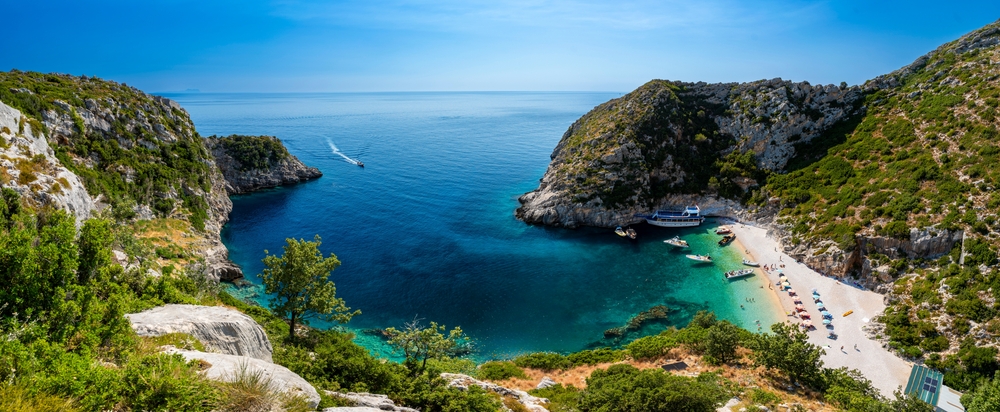
The light in Albania lands differently. It comes off the Adriatic in thin sheets, makes the old Ottoman houses of Berat glow like candles at noon, and disappears fast in the mountains — leaving a cold that feels older than Europe. This is a country that has been closed, opened, broken, rebuilt, and is now in the middle of figuring out what it wants to be. For a geo-flexible professional, that ambiguity is a gift.
Andorra
Europe
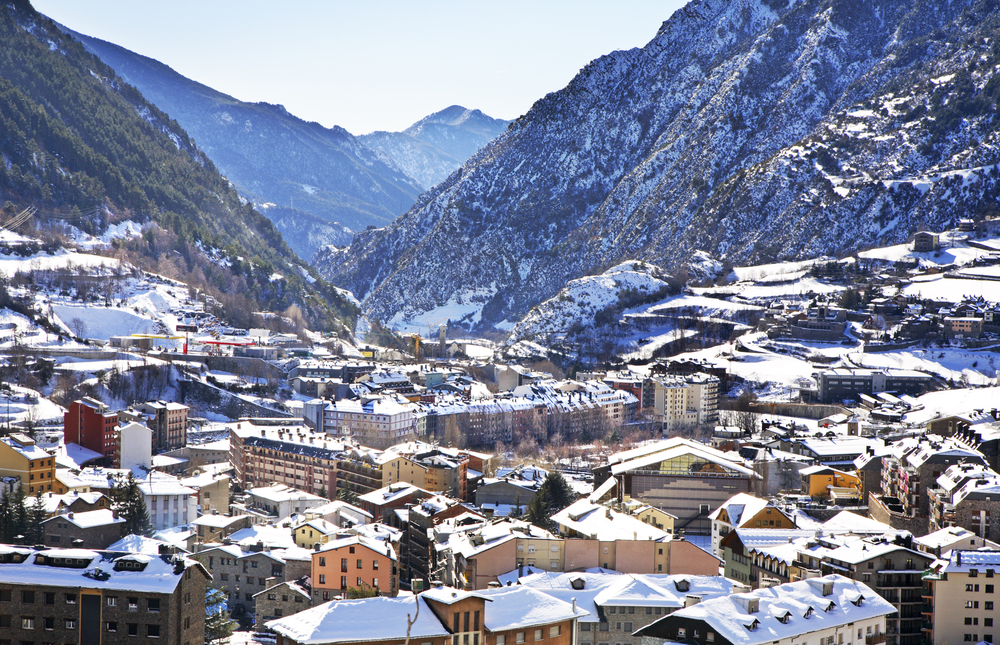
You cross into Andorra through a tunnel in the Pyrenees, or you do not cross at all. There is no airport. There is no train. The mountains decide when you arrive. Then the valley opens and you are in something that is neither France nor Spain — a thin strip of duty-free commerce, ski lifts, and medieval stone churches that has been governing itself with uninterrupted sovereignty since 1278. Remote work in Andorra occupies a peculiar position: extraordinarily appealing on paper, quietly strange in practice.
Austria
Europe
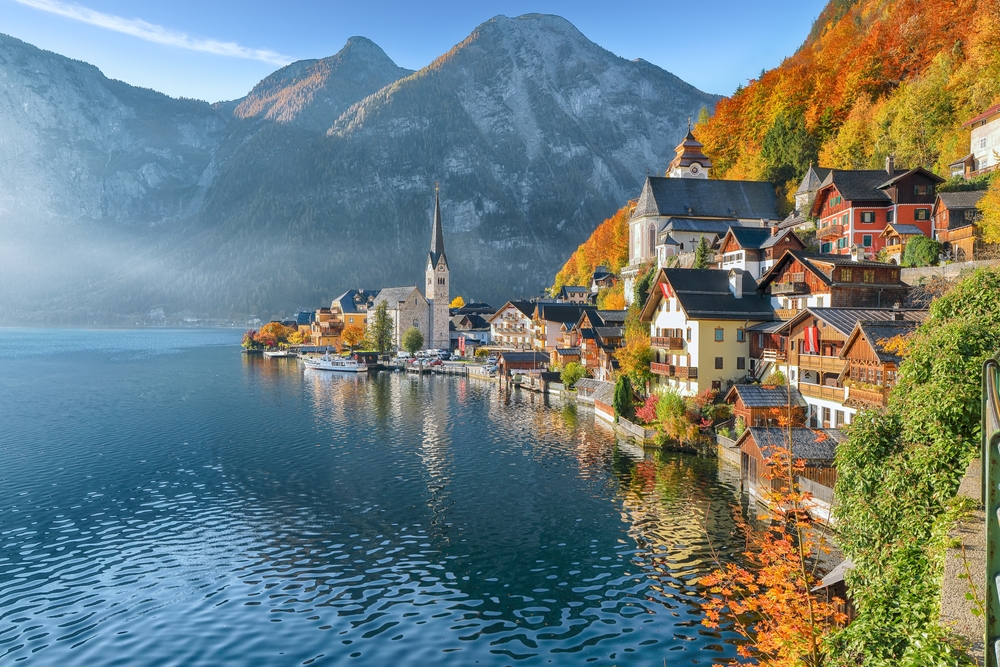
Vienna is a city that has been taking culture seriously since before most countries existed. You feel this in the weight of the architecture — the Ringstrasse built as a monument to imperial confidence — and you feel it in the coffee houses, where a single Melange buys you an afternoon and a newspaper and nobody will ask you to leave. Working remotely from Austria means choosing a country that has arranged comfort and beauty into an operating system.
Belgium
Europe
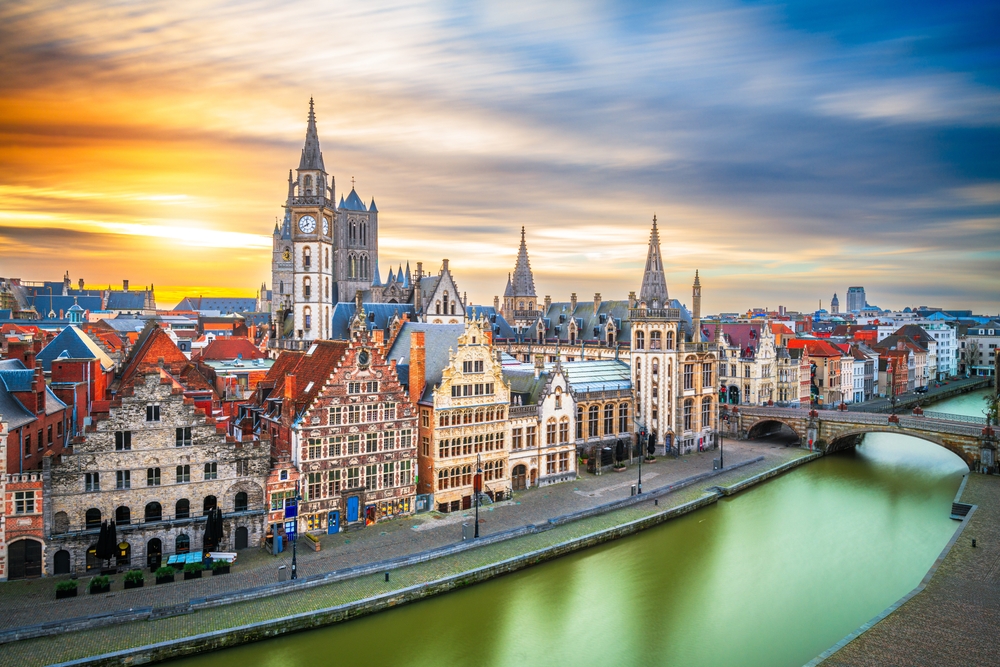
Belgium is the only place in Europe where you can eat the best fries in the world, drink beer brewed by Trappist monks at altitude, and then walk to a meeting at a European Commission building. It is a small country that has absorbed centuries of conquest, division, and administrative complexity into a collective shrug — and somehow produced, from all that complexity, one of the most comfortable places to live and work on the continent.
Croatia
Europe
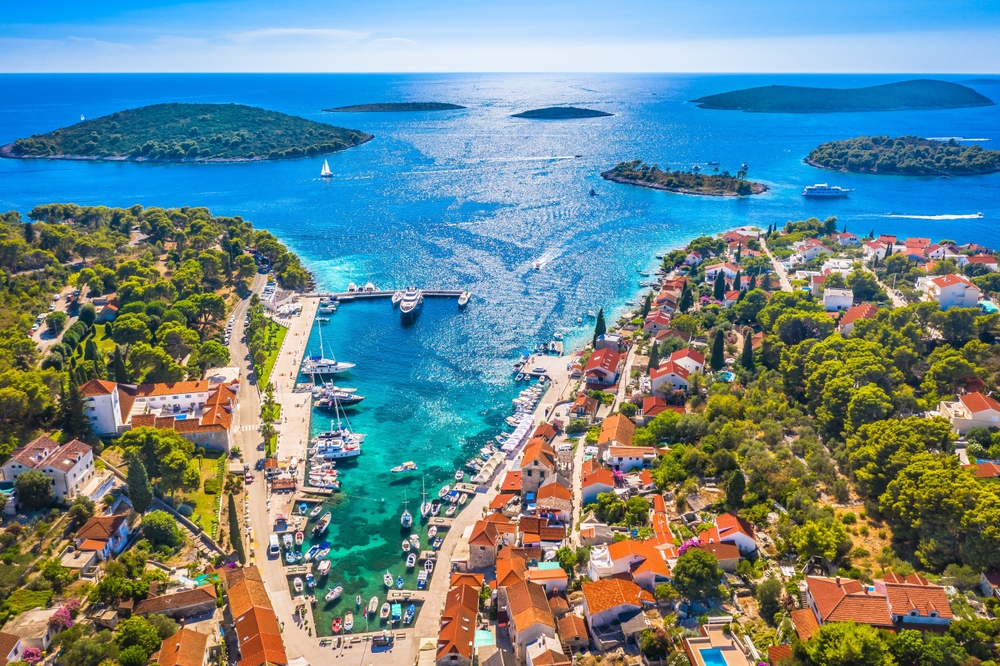
The Adriatic is the sea that has been painted most, and you understand why the moment you see it from the height of the Dalmatian coast — that particular shade of blue-green that sits between Mediterranean and cerulean, changing color as clouds move across it, making the stone towns of Dubrovnik and Split seem like accidents of geology rather than human construction. Croatia joined the Schengen Area in 2023, adopted the euro, and formally consolidated its position as the most accessible Adriatic country for EU-passport geo-flexible professionals. The timing was deliberate.
Cyprus
Europe
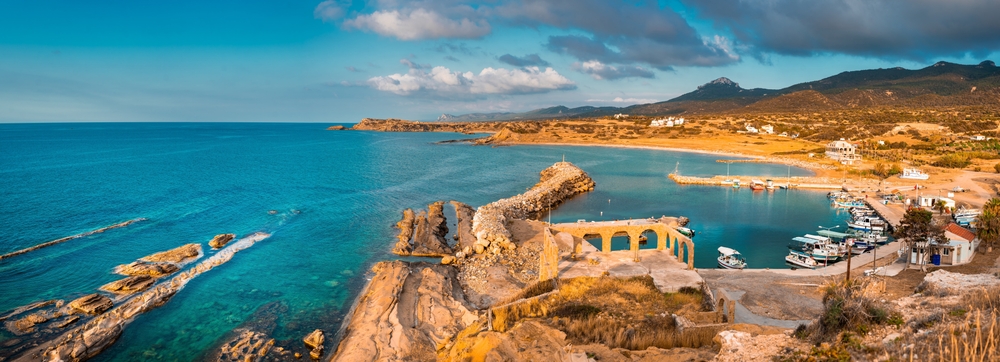
Cyprus operates at a peculiar frequency. It is an island at the intersection of three continents — technically European, geographically closer to Syria and Lebanon than to mainland Greece, historically layered with Phoenician, Byzantine, Ottoman, and British occupation that left behind churches converted to mosques converted to museums, and a British road system that drives on the left in a country that surrounds you with continental European signage. For geo-flexible professionals, this multiplicity is not confusion; it is a specific kind of richness.
Czech Republic
Europe
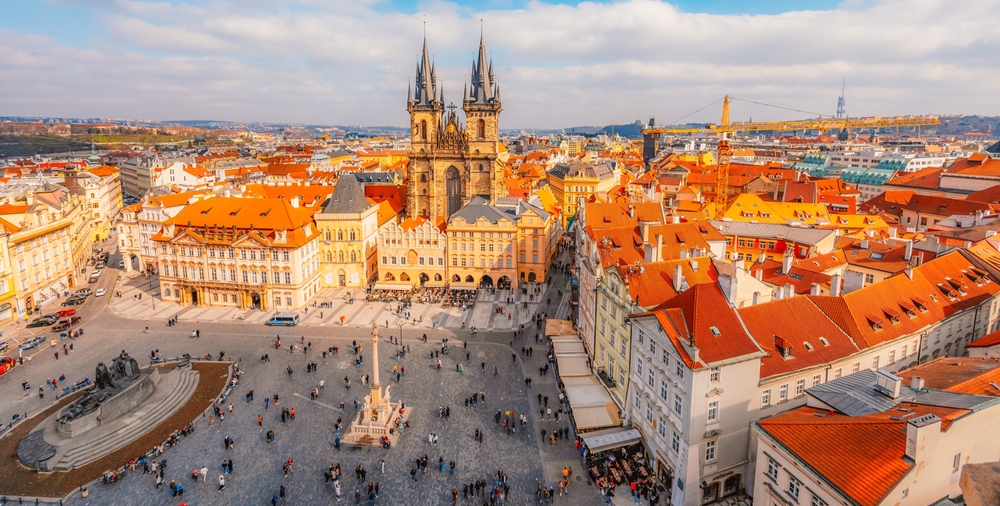
Prague is the argument that Europe makes for itself most persuasively. Impossible skyline — Gothic, Baroque, Art Nouveau layers compressed onto a bend in the Vltava — and within it, a city that has preserved more of the twentieth century intact than any other Central European capital precisely because history, at its worst, left the buildings standing. The weight of this architecture is not oppressive. It is, strangely, liberating — a reminder that human beings have been building things worth caring about for a very long time, and that the laptop on the café table exists within a very long story.
Denmark
Europe
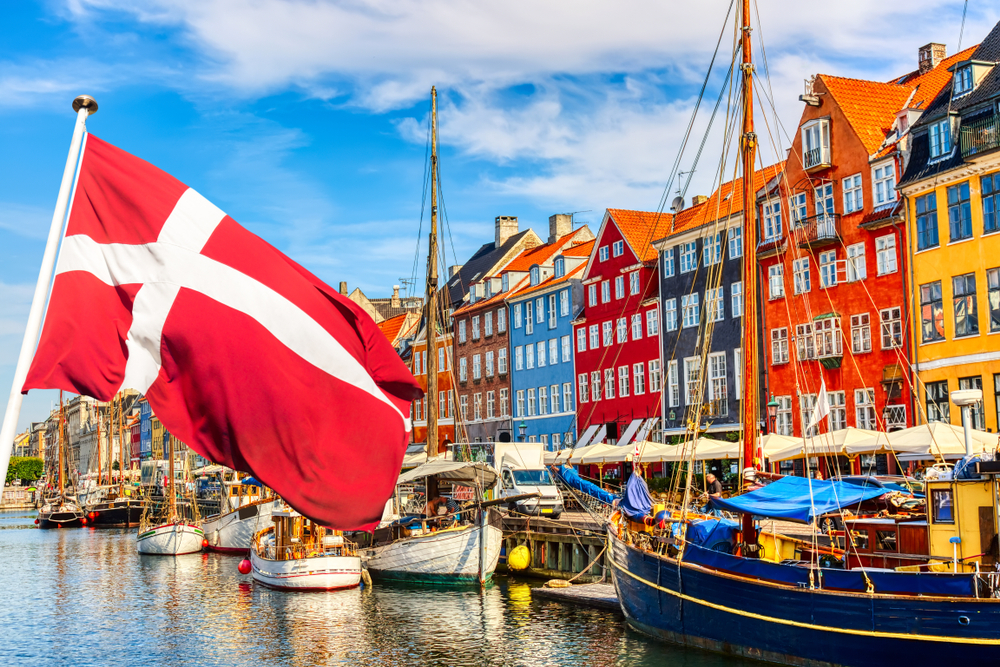
Denmark does not waste time on modesty. It is, by the metrics that Danes themselves tend to cite, among the happiest, most sustainable, most equitably structured countries on earth. This is accurate. It is also expensive in the particular Scandinavian way that ceases to feel like hardship once you have adjusted to what the money actually purchases: a social contract so well-maintained that the streets are clean not because people fear punishment but because everyone genuinely considers the street theirs to maintain.
Estonia
Europe
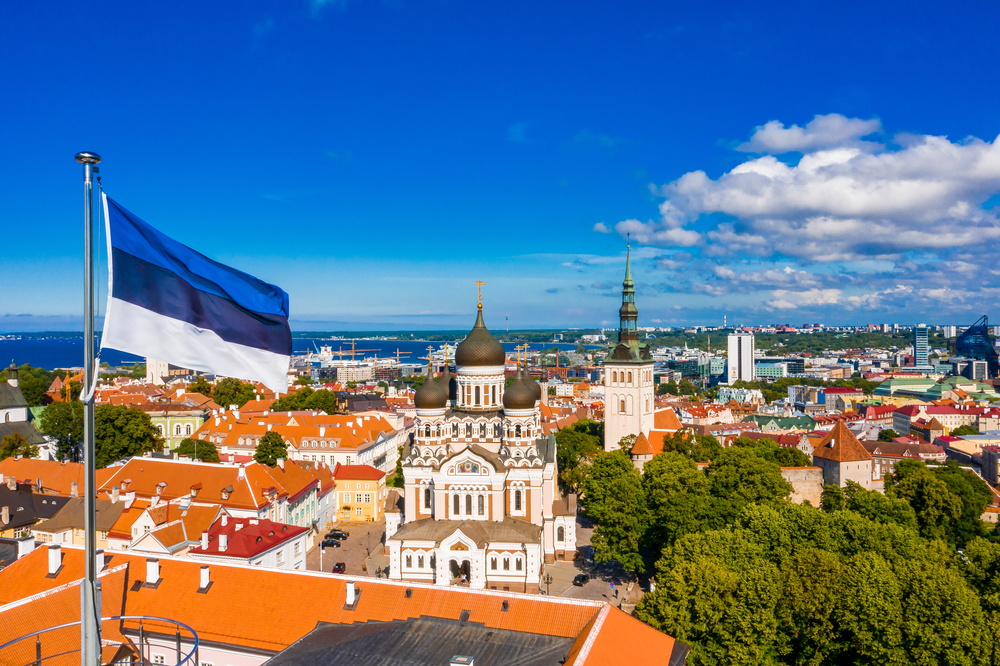
Estonia is the experiment that worked. A country of 1.3 million people that declared independence from the Soviet Union in 1991 and promptly built one of the most digitally sophisticated governance systems on earth — e-Residency, digital voting, a digital health record system, an entire public sector accessible from a laptop anywhere with an internet connection. Skype was built here. TransferWise (now Wise) was founded by Estonians. The philosophy is visible in the infrastructure: things work, digitally and physically, without requiring presence, paperwork, or queuing.
Finland
Europe
Finland is a country that takes the idea of quiet seriously. Not as a preference but as a philosophy — the Finnish concept of sisu (resilience, grit, the willingness to endure) is built on an understanding that silence and space are not deficits but resources. In the cities, this produces a particular atmosphere: Helsinki in January, the harbor frozen, the light lasting four hours, the café terraces closed under snow — and within all of this, a population going about its business with a contentment that reads, to visitors expecting Nordic melancholy, as almost startling.
France
Europe
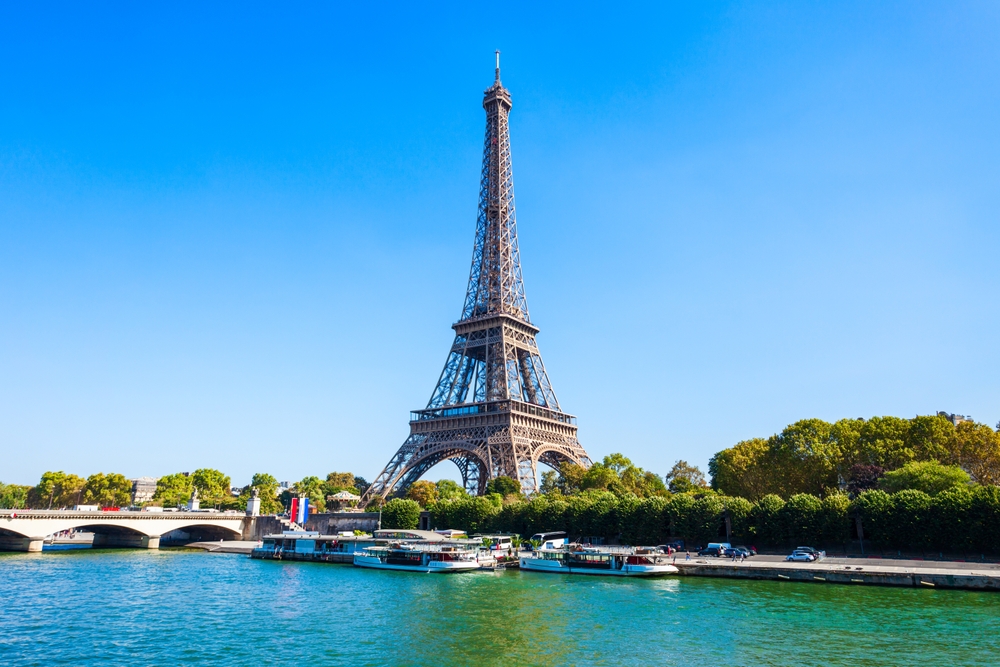
Paris in late September has a specific quality of light — cool and clear and gold, arriving at an angle that makes the stone facades of the 7th arrondissement seem lit from within. Camus wrote about the quality of Algerian light, but he spent years in Paris and understood that European cities have their own versions of this: the moment when summer releases its claim on a city and autumn begins its quiet reclamation. For geo-flexible professionals, Paris is not the obvious choice — it is expensive, the bureaucracy is formidable, and the French relationship with the English language has a long and complicated history. But it is Paris, and Paris has always made its own rules.
Georgia
Europe
The light in Tbilisi comes through ancient plane trees that line the Vera district, hits the carved wooden balconies of the old city, and dissolves into something amber and complicated by 6pm. Camus wrote about light as a statement of presence — the specific insistence of the Mediterranean sun on being witnessed. Georgia, in September, makes the same insistence from a different geography: the Caucasus behind it, the Black Sea to the west, five thousand years of winemaking in the valley below. For geo-flexible professionals, Georgia in 2026 is perhaps the clearest single argument in the world for choosing somewhere unexpected.
Germany
Europe
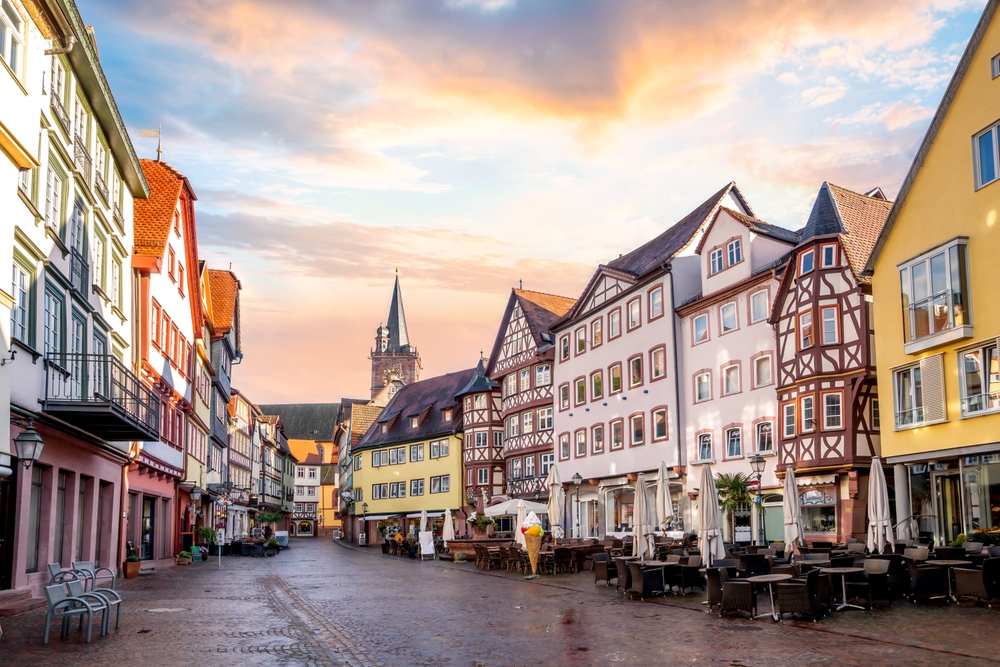
Germany is serious. This is not a criticism. It is the most precise description of a country that built the postwar world's most successful export economy on the premise that things made well outlast things made cheaply, that punctuality is a form of respect, and that complexity can be managed if the systems are correctly designed. Berlin is the exception that the rest of Germany uses to understand what seriousness looks like when it takes a decade off.
Greece
Europe
Athens in October belongs to itself. The summer tourists have departed and the city exhales — the Acropolis visible without negotiating a crowd, the tavernas back to their neighborhood rhythms, the particular golden light of an Attic autumn settling onto the marble and the limestone like something calculated. Greece entered the serious remote work conversation when it implemented a Digital Nomad Visa in 2021, but the truth is that geo-flexible professionals had been arriving and quietly working from Athens and the islands long before any official framework existed.
Hungary
Europe
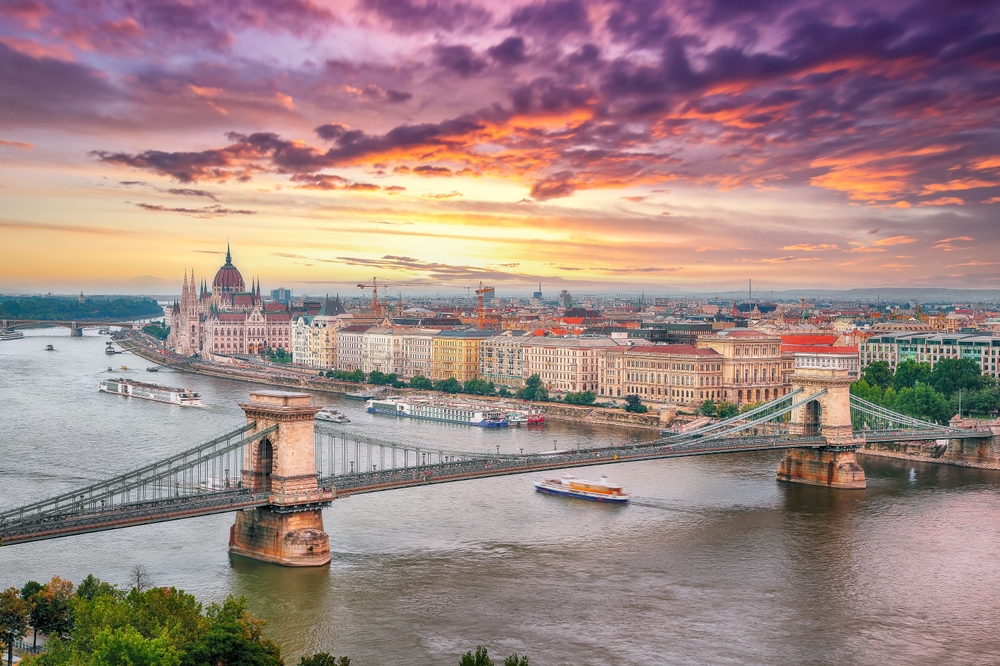
Budapest is a city of thermal water and grand ambition — two things that, in Hungarian history, have consistently overreached and produced something magnificent in the attempt. The Parliament building on the Danube is too large for a country of ten million. The Chain Bridge, the Opera House, the Andrássy Avenue boulevards all belong to a capital that imagined itself as the co-capital of an empire rather than the capital of a landlocked Central European nation. The gap between ambition and circumstance has left Budapest with infrastructure it has not quite grown back into since 1989, and the result is extraordinary: a European capital of genuine architectural grandeur at costs that were, until recently, remarkable by regional standards.
Iceland
Europe
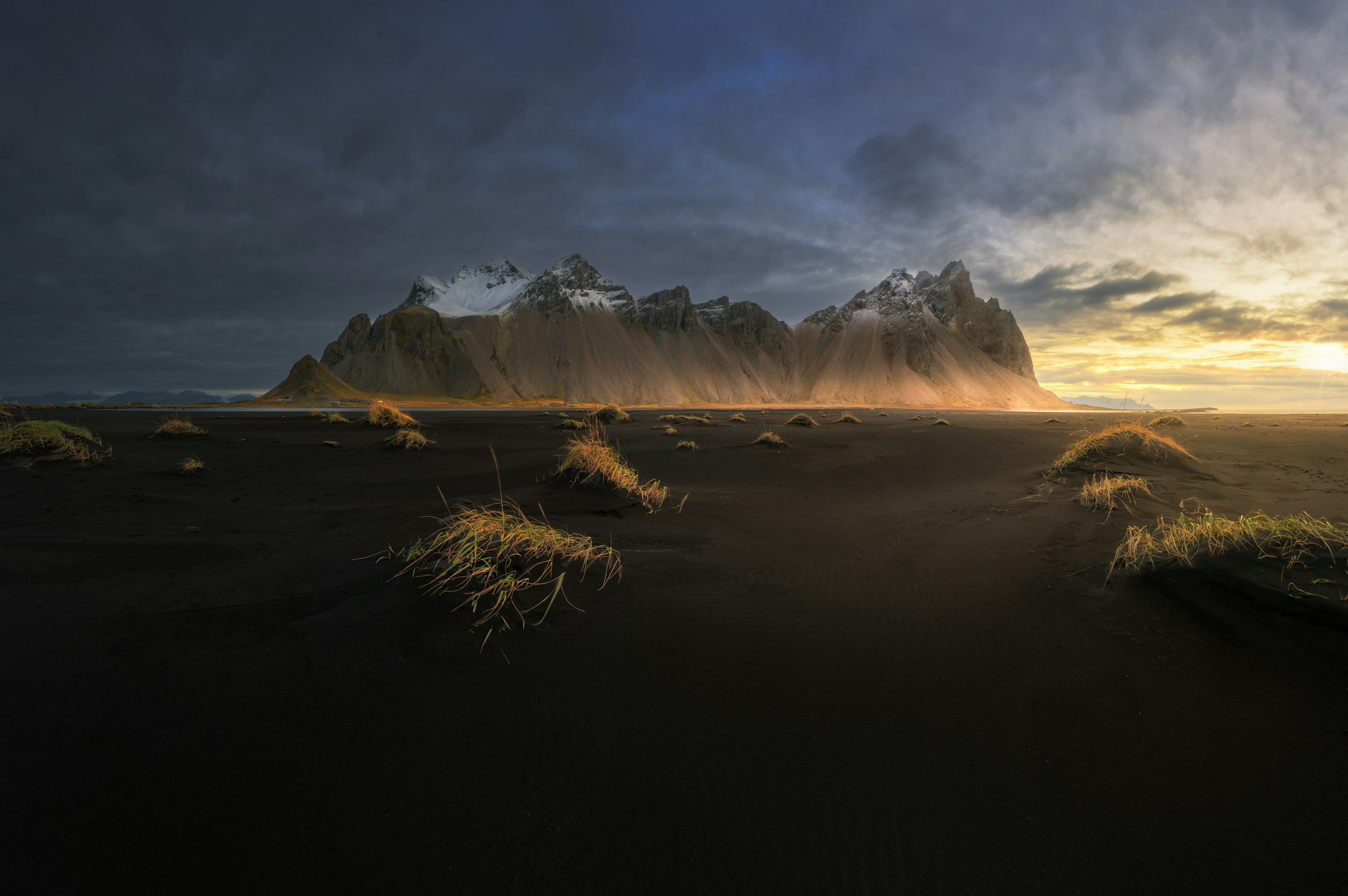
Iceland arrives as a geological fact before it presents itself as a country. The island is mid-Atlantic Ridge made visible — a place where two tectonic plates are actively pulling apart and filling the gap with lava, where geothermal energy heats 90% of homes, where the light in summer barely sets and in winter barely arrives. It is one of the least populated countries in the world relative to its area. Reykjavik, the capital, is home to two-thirds of the entire nation. The remoteness is not metaphorical.
Ireland
Europe
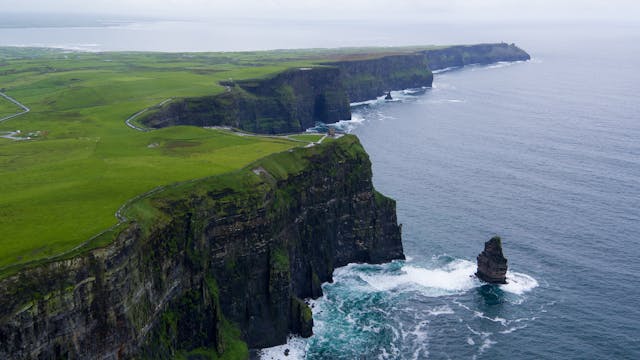
Ireland is small enough to drive corner-to-corner in a day and large enough, in its cultural density and its particular relationship with language and weather, to occupy a person for years. The light on the west coast — Connemara, the Cliffs of Moher, the Aran Islands — is the light that Atlantic storms produce: dramatic, shifting, grey and gold simultaneously, not the Mediterranean warmth of Lisbon but something more provisional and more moving for its impermanence. Dublin in the rain, a pint of Guinness black against the window of a Stoneybatter pub at 6pm, is an argument for choosing difficult over comfortable.
Isle of Man
Europe
The Isle of Man sits in the Irish Sea, visible on a clear day from four different countries simultaneously — Ireland, Scotland, England, Wales — and belonging to none of them. A Crown Dependency of the British Crown without being part of the United Kingdom, it runs its own parliament (the Tynwald, the oldest continuous parliament on earth), its own tax system, its own immigration rules, and a motorcycle race that shuts the island for two weeks each year and transforms it into something between a circus and a religious event. Remote work in the Isle of Man in 2026 is, principally, a tax story with a landscape attached.
Italy
Europe
Italy is proof that beauty and bureaucracy can coexist indefinitely without resolving their tension. The country has given the world more UNESCO World Heritage Sites than any other, a food culture so rigorous it functions as philosophy, and an administrative system so complex that Italians themselves have developed a semi-mythological relationship with it — the art of navigating around rather than through, a national adaptation to impossible paperwork that produces both frustration and a creative lateral thinking that shows up in the design, fashion, and engineering the country exports.
Latvia
Europe
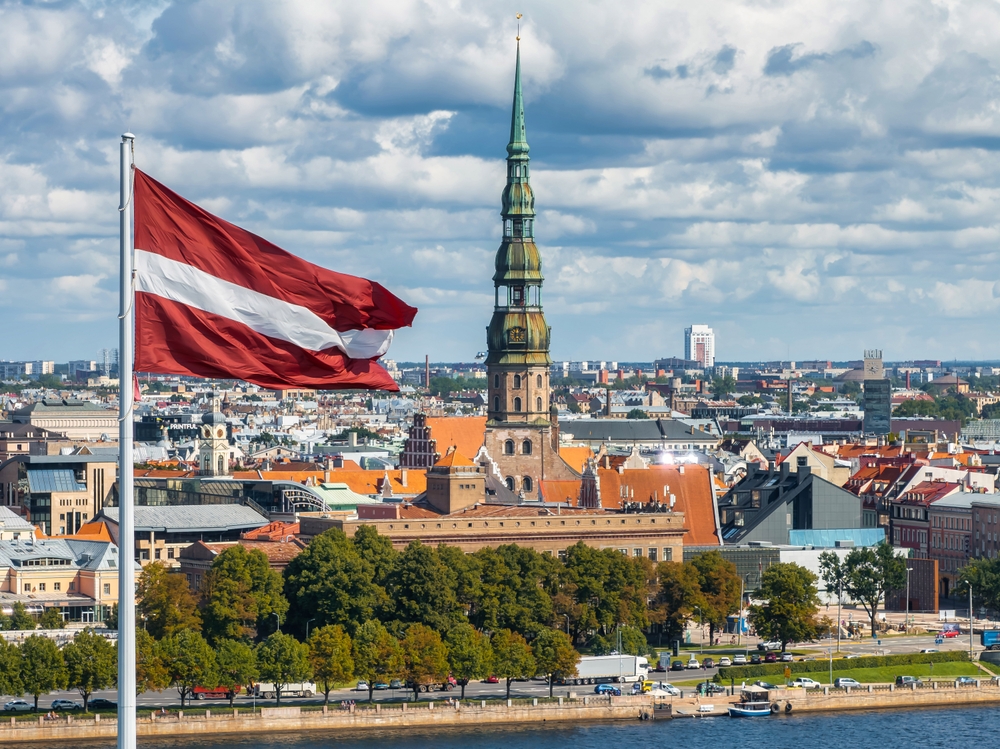
Latvia is the Baltic country that the other Baltic countries will not tell you about because they do not want you to discover it before they have had a chance to enjoy it fully themselves. Riga — the capital, home to half the country's population of two million — is one of the finest Art Nouveau cities on earth: roughly 800 buildings designed in the style between 1897 and 1913, a denser concentration than anywhere else including Vienna, built for a city that briefly thought it was going to be one of the great industrial capitals of the Russian Empire before history intervened. The buildings are extraordinary. The city within them is affordable, connected, Schengen-compliant, and genuinely undervisited.
Liechtenstein
Europe
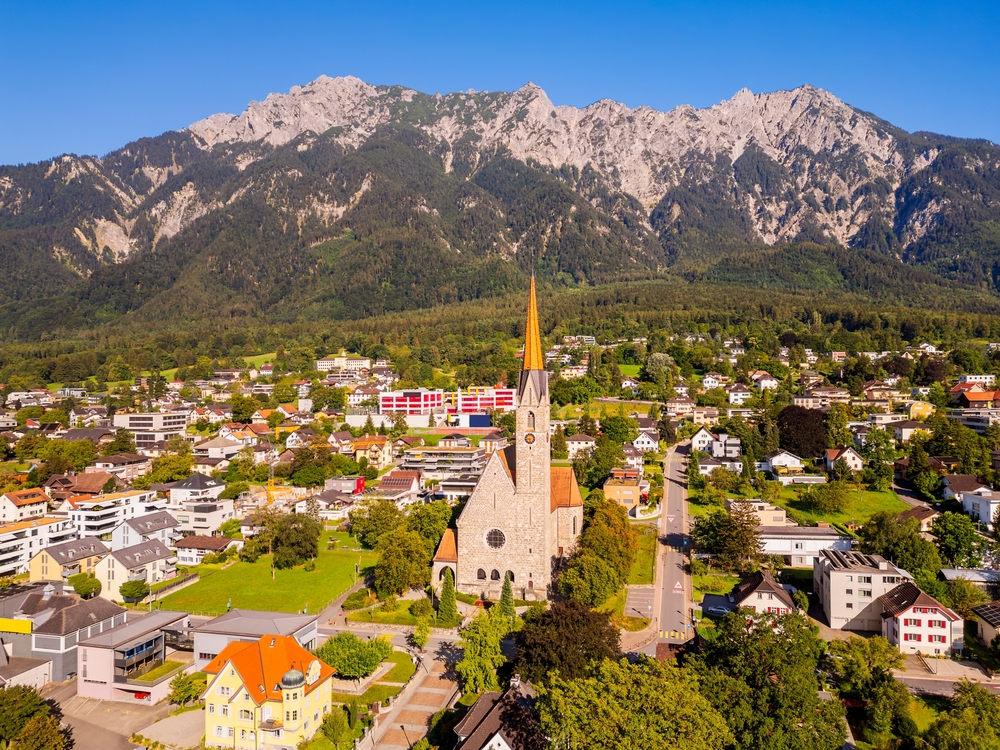
Liechtenstein is 25 kilometers long and 12 kilometers wide — the sixth-smallest country on earth, a constitutional monarchy wedged between Switzerland and Austria, and a tax haven of notable sophistication for a nation of 40,000. The Rhine valley floor is industrial in the polite Liechtenstein way: precision manufacturing, pharmaceutical companies, financial services. The mountains rise immediately above Vaduz and reach peaks that are, proportionally, among the most dramatic in Europe relative to the country they occupy.
Lithuania
Europe
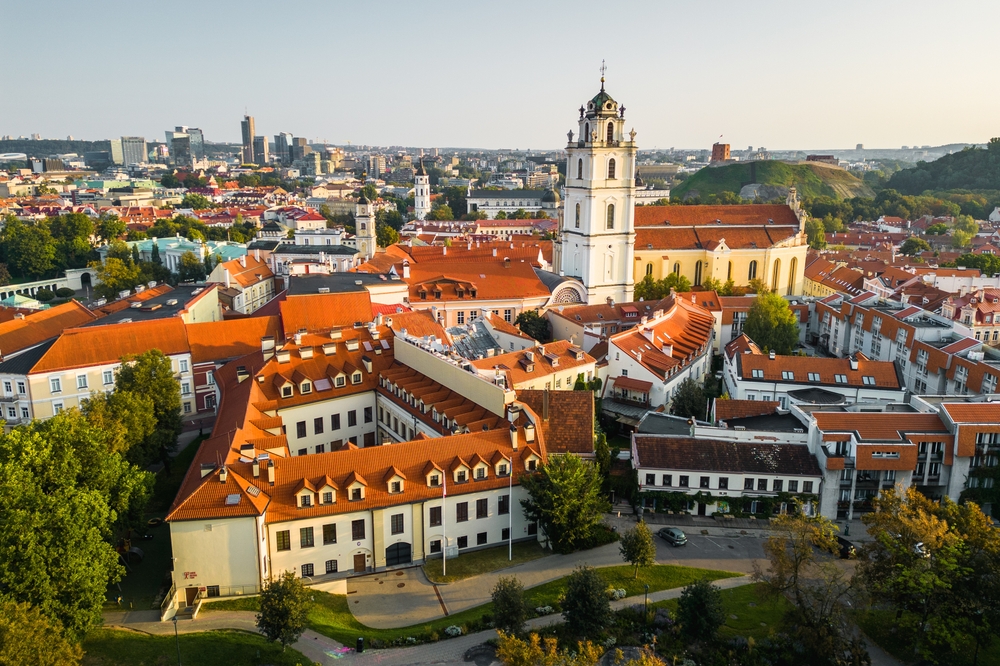
Vilnius is the most underrated city in Europe, and Lithuanians know it, and it is unclear whether this knowledge pleases or frustrates them. The old town — a UNESCO World Heritage Site of Baroque architecture that survived what Warsaw, Dresden, and Minsk did not — is small enough to navigate on foot and large enough to contain genuine depth: narrow lanes opening unexpectedly into Baroque courtyards, a self-declared Republic of Užupis (the bohemian quarter that declared independence as a performance art gesture in 1998 and has sustained it as a way of thinking about creative communities ever since), and a café and coworking culture that reflects the specific energy of a country that has been in a hurry since 1990.
Luxembourg
Europe
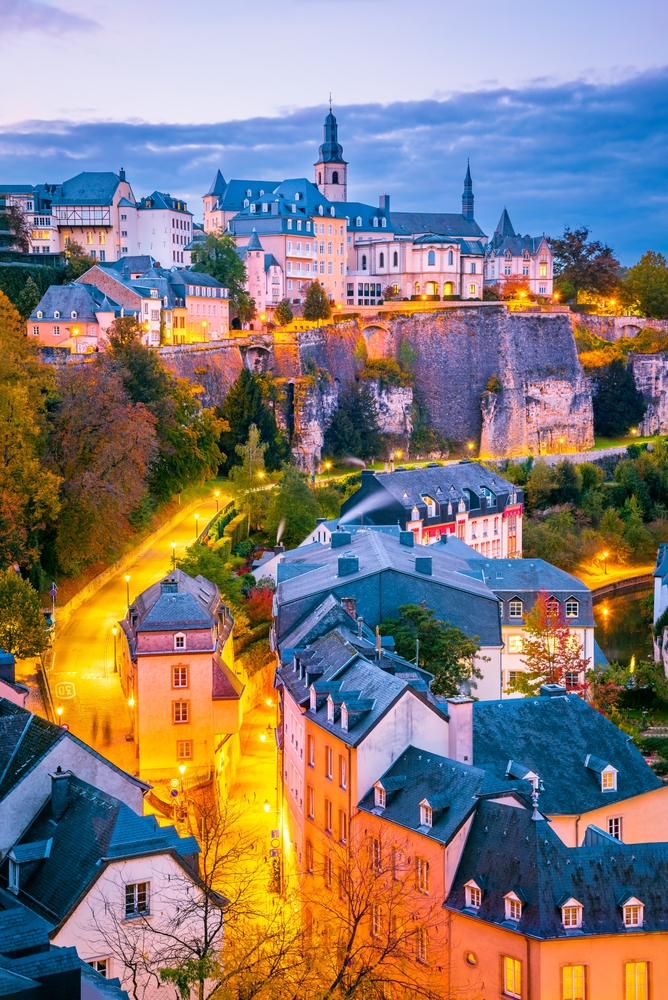
Luxembourg is the financial center of the European Union and, incidentally, one of the smallest countries in the world with one of the highest GDP per capita figures ever recorded. The Grand Duchy — it is a genuine grand duchy, ruled by a grand duke, with a constitution older than most countries — sits at the intersection of France, Belgium, and Germany and has used this intersection to build a financial services sector out of all proportion to its 660,000 residents. The EU institutions, the European Court of Justice, the European Investment Bank — all anchored here.
Malta
Europe
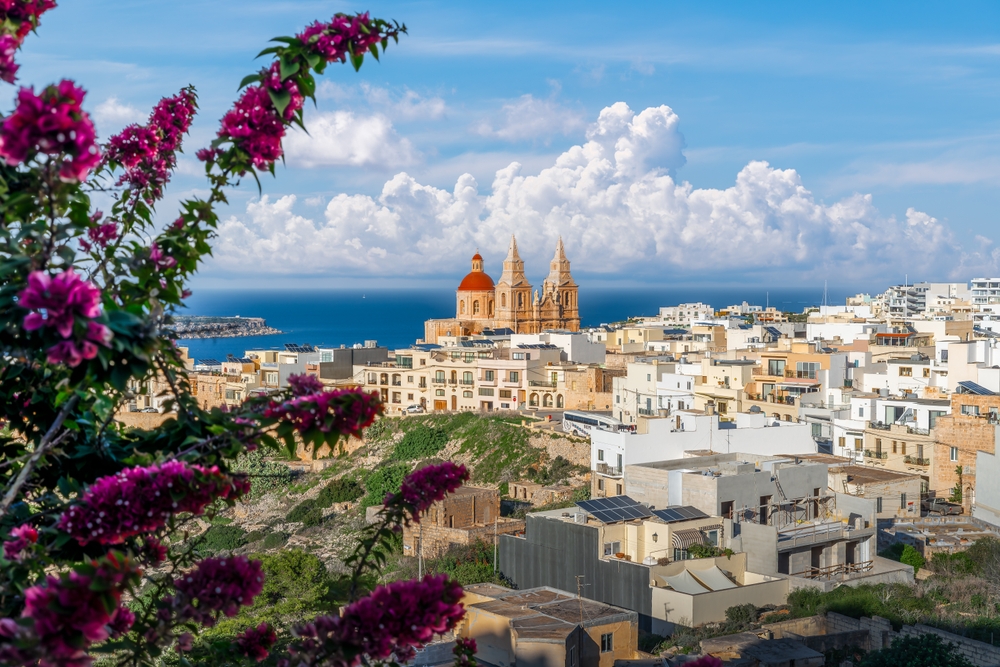
Malta is a stone island in the middle of the Mediterranean — all of it stone, the honey-gold limestone that every building has been made from for millennia, absorbing the sun by day and releasing it as warmth into the evening air. The Megalithic Temples are older than Stonehenge and older than the Pyramids. The Knights of St John spent two centuries here. The Maltese survived a two-year siege during World War II with a stubbornness that won the island the George Cross from the British Crown. History has compressed into 316 square kilometers and produced a culture of extraordinary resilience in a very small place.
Monaco
Europe
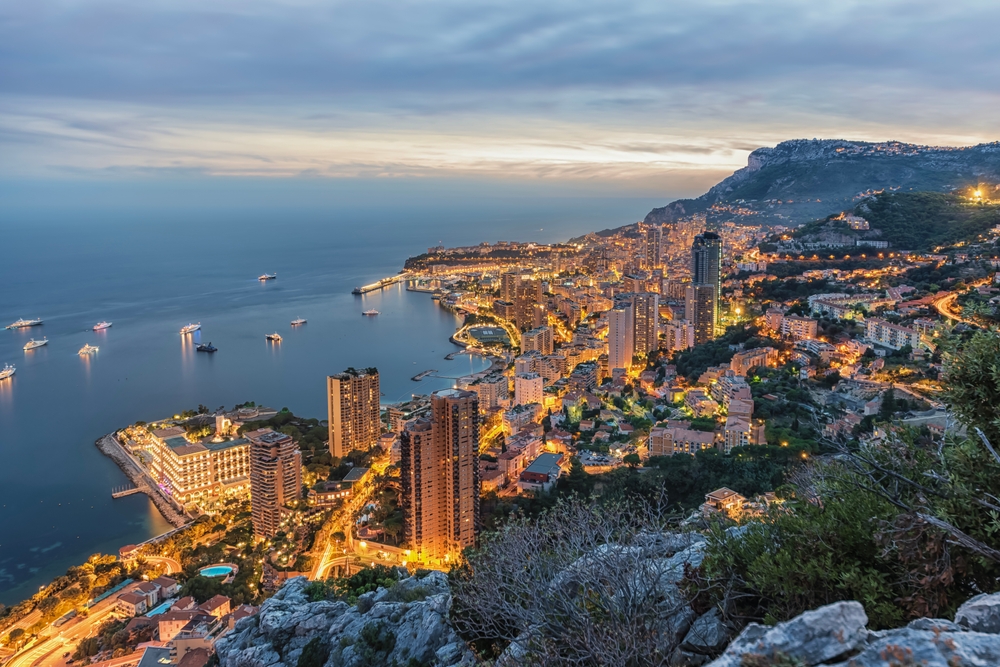
Monaco occupies 2.08 square kilometers — the second-smallest country in the world — on a cliff above the Mediterranean between Nice and the Italian border, and it has made more of those 2.08 square kilometers than almost any other place on earth. The Grand Prix circuit runs through the actual streets of the city-state every May. The casino in Monte Carlo has been operating since 1863. The yachts in the harbor represent accumulated wealth at a scale that makes the usual superlatives inadequate. And yet Monaco, approached on foot from the wrong direction, reveals stone staircases climbing between apartment buildings, neighborhood bakeries, residents walking dogs in quiet alleys, a human scale beneath the spectacle.
Montenegro
Europe
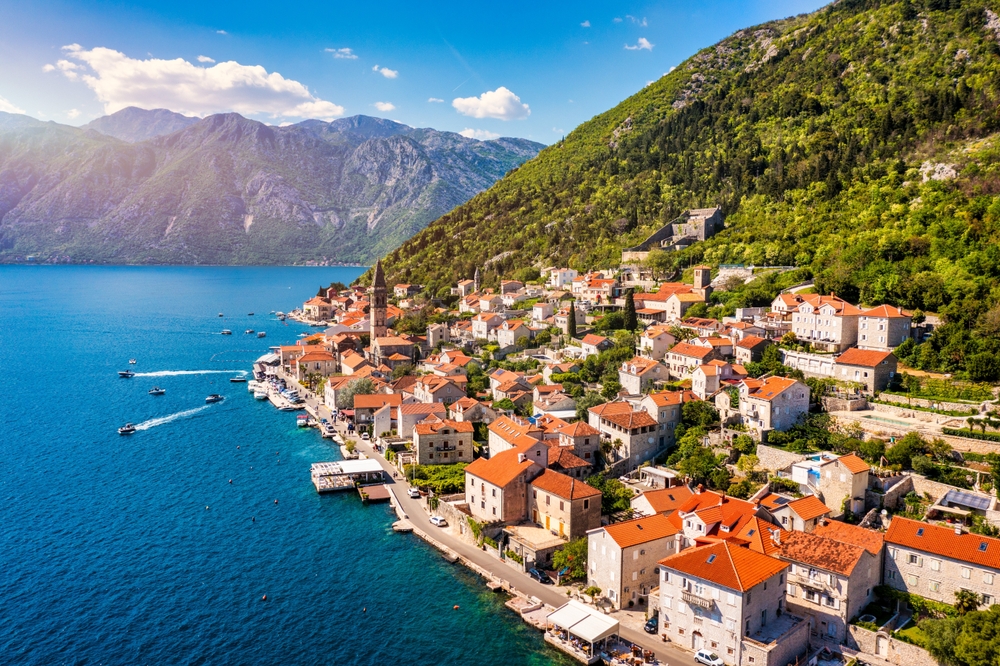
Montenegro occupies the Adriatic coast between Croatia and Albania and the mountains behind it with an efficiency of landscape that seems implausible: within 50 kilometers you can move from medieval coastal towns below sea cliffs, through olive groves, into mountain ranges that top 2,500 meters and receive snow through May. The Bay of Kotor — a drowned river valley that the sea entered after the last ice age — is the most beautiful landlocked bay in the Mediterranean basin, and the old town of Kotor at its end is a Venetian-fortified city that somehow preserved itself through every subsequent century of change.
Netherlands
Europe
Amsterdam has built a specific version of the good life and been refining it for four hundred years. The canal ring — 165 canals, 1,280 bridges, a UNESCO World Heritage Site that functions as a living city rather than a monument — produces a scale of urban life that is intimate without being provincial: everything within cycling distance, the houseboats and the brown cafes (bruine kroegen, dark wood, decades of smoke absorbed into the walls) and the Vondelpark and the Stedelijk Museum and the best Dutch cheese and the Vietnamese pho and the Ethiopian injera all within 20 minutes of each other by bicycle.
Norway
Europe
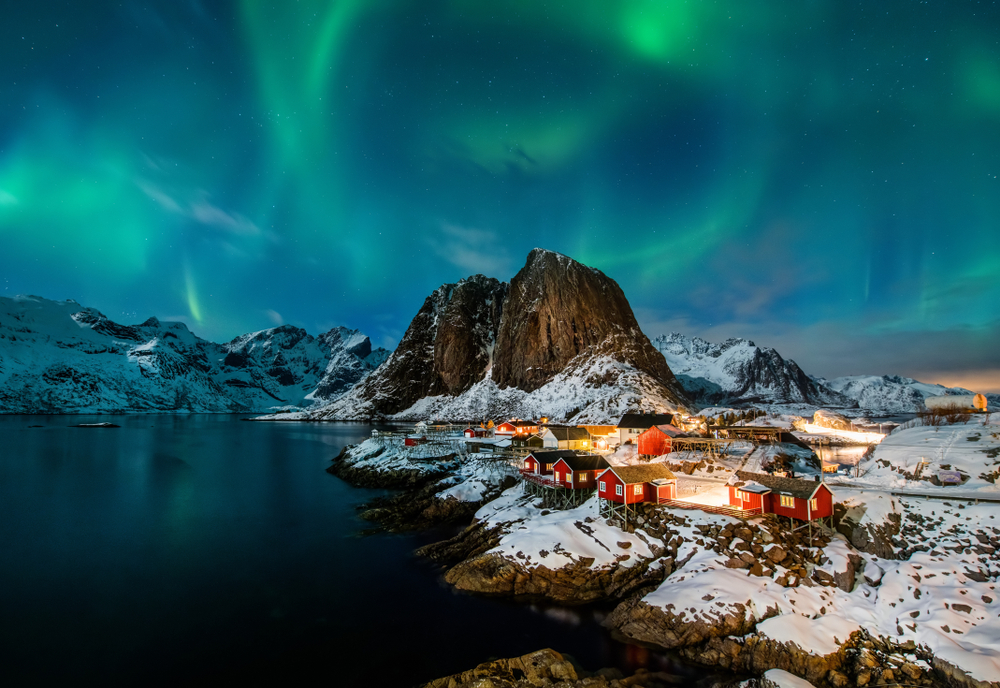
Norway has the fjords and the oil money and the Nobel Peace Prize and the reindeer and the Aurora Borealis and, in the cities, a social democracy so well-maintained that the public infrastructure — hospitals, roads, schools, coastal ferries — makes the rest of the developed world look underachieving. It also has some of the highest prices in the world and a darkness in winter that is not metaphorical. For geo-flexible professionals, Norway is the premium Scandinavian option: everything functions at the highest standard and costs accordingly.
Poland
Europe
Poland has been one of Central Europe''s most consistent overperformers for geo-flex professionals over the past decade. The country entered the EU in 2004, built out its tech infrastructure rapidly on the back of EU structural funds and a strong engineering education system, and now hosts the regional headquarters of dozens of major technology companies alongside a thriving domestic startup scene. Warsaw and Kraków have coworking markets that compete with Western European capitals at a fraction of the cost.
Portugal
Europe
Portugal does not simply tolerate remote workers; it recruited them. The D8 digital nomad visa, launched in 2022, made Lisbon the first European capital to offer a dedicated legal pathway for location-independent professionals, and the country has been building on that positioning since. The NHR (Non-Habitual Resident) tax regime offering a decade of reduced rates for qualifying new residents created a secondary pipeline. The result is that Portugal's two main cities are now operating at close to capacity for the remote worker demographic, which has raised prices considerably and created a secondary phenomenon: experienced geo-flex professionals moving to Porto, the Algarve, and the Silver Coast rather than competing for Lisbon's saturated coworking market.
Romania
Europe
Romania is Central and Eastern Europe''s most compelling value proposition for geo-flex professionals who are not constrained to Western European network effects. Bucharest is one of the cheapest EU capitals by a significant margin, with a coworking market and urban infrastructure that substantially exceeds what the price point implies, and a tech ecosystem that has been growing steadily since Romania entered the EU in 2007 and began producing engineering talent for both domestic companies and EU-headquartered multinationals.
San Marino
Europe
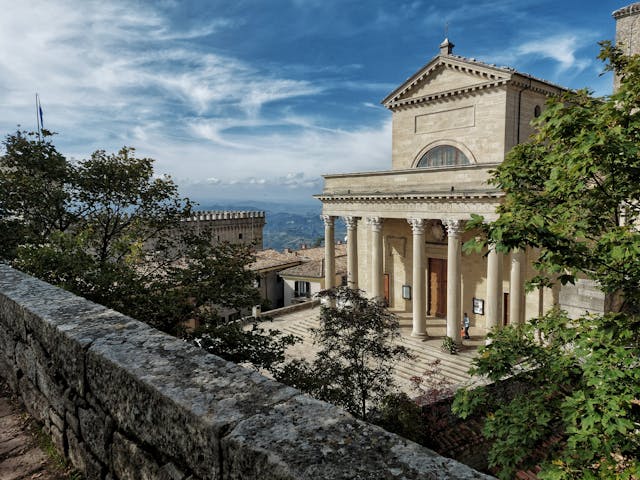
San Marino is a curiosity on any geo-flex list: the world''s oldest republic, a 61-square-kilometer microstate sitting inside Italian territory on the slopes of Monte Titano, with a population of 35,000 people and a tourist economy built entirely around its historic fortified hilltop town. It is not a practical remote work base in the conventional sense; it has no airport, no international rail connection, and its economy is structured around day tourism and its tax status relative to Italy rather than around the infrastructure needs of mobile professionals.
Serbia
Europe
Serbia is not in the EU, which is precisely what makes it interesting for a specific category of geo-flex professional: it is outside the Schengen 90-day clock, enabling stays of up to 90 days visa-free for most Western passport holders without consuming Schengen days, and its cost of living is substantially below neighboring EU member states. Belgrade has developed into one of Central Europe''s most compelling value-for-money bases, with a coworking market, restaurant culture, and nightlife that are objectively excellent at prices that remain genuinely low.
Slovakia
Europe
Slovakia is the EU member that most geo-flex professionals discover through Bratislava and then realize offers substantially more than its reputation as a Vienna day-trip destination. The capital sits at the western tip of the country, 60 kilometers from Vienna and just across the Danube from Austria — close enough to use Vienna International Airport, far enough to access Slovak cost levels, which are 40 to 50% below Austrian equivalents. For EU nationals, this arithmetic is compelling: full Schengen and EU access, Central European culture and architecture, and Eastern European pricing.
Slovenia
Europe
Slovenia is the smallest, and by most livability measures the most accomplished, country in the former Yugoslavia. Ljubljana punches well above its weight: a capital city of 300,000 people that functions with the infrastructure quality of a Scandinavian capital at prices roughly 60% below Western European equivalents. The old town is genuinely beautiful — the Ljubljanica River, the castle hill, the Art Nouveau architecture along the Prešernov trg — and the country''s combination of Alpine and Mediterranean access within a two-hour drive is unique in Europe.
Spain
Europe
Spain was one of the last major Western European economies to address remote workers as a policy matter. The 2023 Startup Law changed that, introducing a digital nomad visa modeled broadly on the Estonian concept but adapted for Spain''s administrative complexity. The visa is real, usable, and carries the Beckham Law tax advantage — 24% flat rate for qualifying foreign workers for up to six years — but processing timelines have run long. The more practical entry point for most geo-flex professionals remains the standard Schengen 90-day framework, within which Spain works very well.
Sweden
Europe
Sweden occupies a specific position in the geo-flex landscape: it is the Scandinavian country that has made the strongest argument for being a serious long-term base rather than a scenic detour. Stockholm is a genuinely world-class city — compact, walkable, architecturally coherent, and running on an economy that has produced an extraordinary density of globally successful tech companies (Spotify, Klarna, King, Mojang, iZettle, among others) relative to its population. The city''s tech ecosystem is not incidental; it is structural, rooted in a combination of engineering education quality, early internet infrastructure investment, and cultural attitudes toward building things that actually work.
Switzerland
Europe
Switzerland is the country geo-flex professionals consider when the priority is functional perfection rather than affordability. It is expensive by any measure — a one-bedroom apartment in Zurich runs 2,200 to 3,500 CHF per month (approximately 2,400 to 3,900 USD in 2026), and the cost of groceries, dining, and services is the highest in Europe by most metrics — but what you receive in return is infrastructure and institutional reliability that most of the world does not match. The trains run on time in Switzerland not as a cliché but as a functional description of the national infrastructure.
United Kingdom
Europe
The United Kingdom''s position in the geo-flex professional landscape is paradoxical. London is one of the world''s two or three most significant cities for professional networks, financial services, tech, media, and creative industries — a place where being present materially changes access in ways that remote work from other countries does not replicate. And yet London is also among the most expensive cities in Europe, with one-bedroom apartments in any central borough costing 1,800 to 2,800 pounds per month, and a cost of living structure that means the financial case for basing there is rarely compelling unless income is denominated in pounds or the professional upside is specific.