.png)
About France
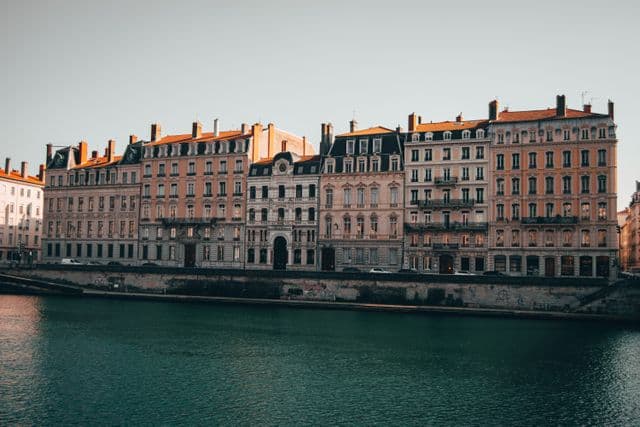
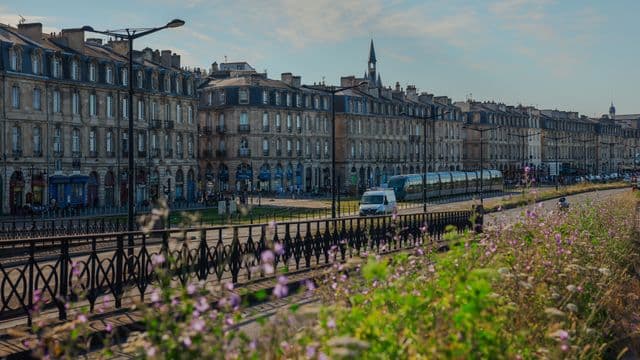
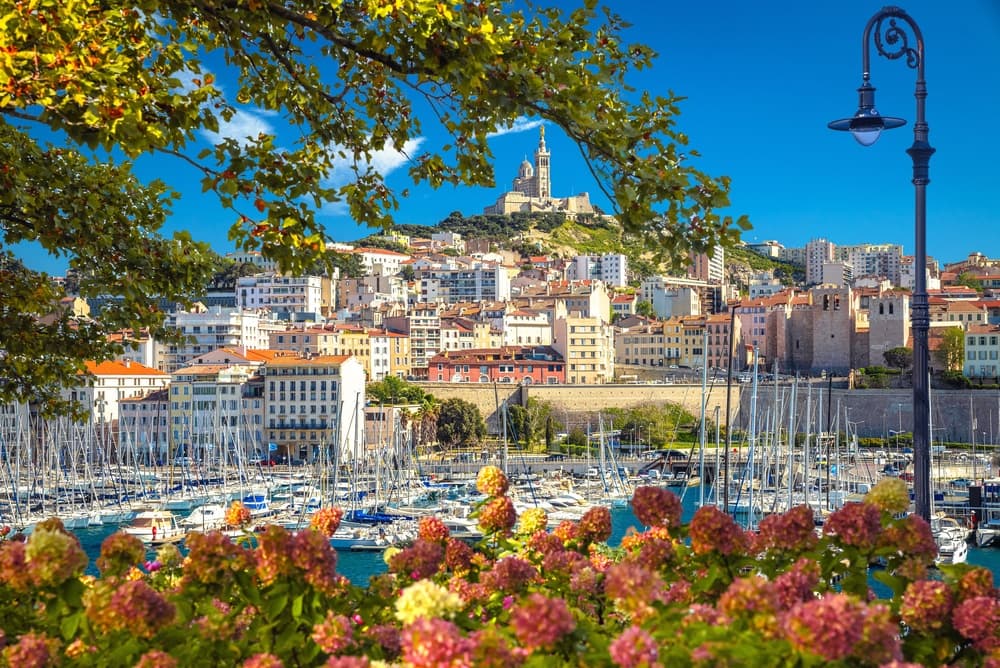
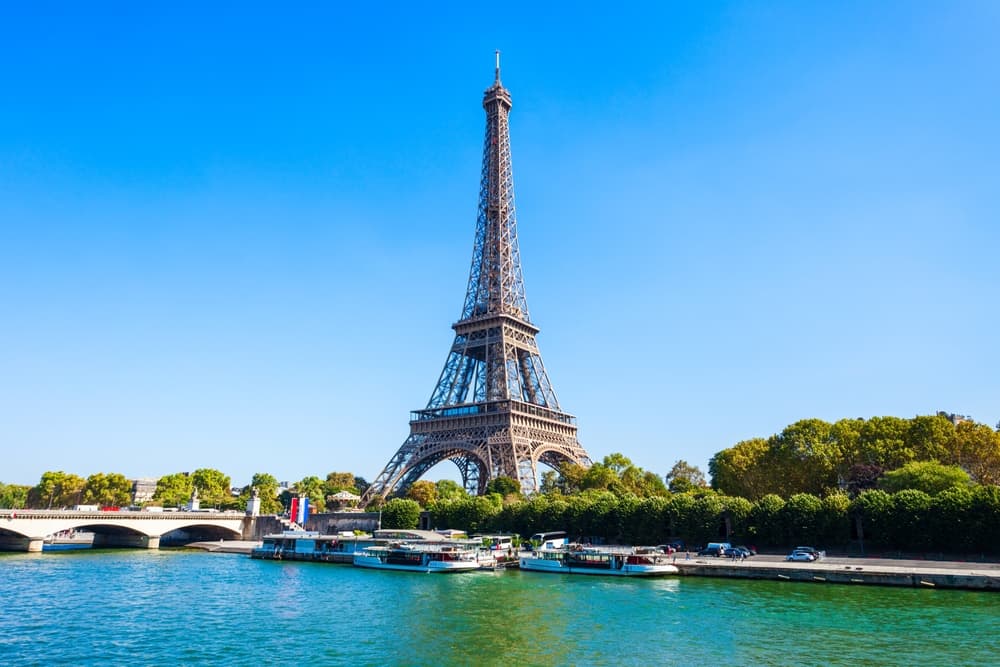
Paris in late September has a specific quality of light, cool and clear and gold, arriving at an angle that makes the stone facades of the 7th arrondissement seem lit from within, and the fact that the world's most visited country, 102 million arrivals in 2025 and counting, still produces mornings that feel privately owned is the entire French proposition: supply that never cheapens. The working geography is deeper than the postcard: Lyon runs the gastronomic-professional counterweight, Bordeaux polishes its wine-money elegance, Marseille supplies the Mediterranean's roughest charisma, Nice sells 300 days of light, and the TGV stitches all of it into day-trip geometry from a Paris base. The café terrace remains what it has been since the intellectuals claimed it: the original coworking space, tolerant of the laptop for the price of an allongé and the observance of the codes.
The paperwork story changed in June 2025 and deserves plain statement, because France did what almost no country has: it answered the gray-zone question. An Interior-Finance circular, enforced nationwide since June, prohibits remote work on the long-stay visitor visa even for foreign employers and clients. Prefectures now refuse renewals when applicants admit telework, and employer exposure runs to 18,750 euros per unauthorized worker. The visitor route remains what it was always designed for: financially independent residence on genuinely passive income.
The compliant doors are well-built. The Profession Libérale visa authorizes independent professional activity from French territory for clients anywhere, asking a viable project, the right to practice, and resources at the French minimum wage, 22,404 euros gross yearly as of June 2026, with the micro-entrepreneur regime behind it and ceilings of 83,600 euros for services through 2028. The Talent card, consolidated from the passeport talent in June 2025, gives qualified employees, founders, investors and French Tech hires up to four renewable years with family work rights, and carries a quiet 2026 advantage: exemption from the new A2 French-language requirement that now gates other multi-year card renewals. The EU Blue Card runs at 59,373 euros with a reduced STEM tier, EU citizens work freely, and the long game runs through five-year residence toward citizenship, whose language bar rose to B2 under the same reform wave.
The seasonal economy hires on its own calendar and always has. The Alps staff every winter, chalet companies included, the Riviera and the campsite circuit staff every summer, and the vendange takes on grape pickers each September from Champagne to the Languedoc. Working holiday agreements cover the 18-to-30s of about fifteen countries, though not Americans, and EU citizens can walk into any of it.
The honest context is textured rather than dark: a US Level 2 carrying both terrorism and unrest indicators, Vigipirate cycling through its top tiers with armed patrols as permanent station furniture, the strike-and-demonstration calendar as genuine logistics, September 2025's nationwide blockades the recent high-water mark, and Europe's most professional pickpocket ecosystem working the Métro and the monuments. None of it reaches the homicide statistics, which run at a quarter of American rates; all of it rewards the local knowledge this page carries. France remains what it has always been for the working foreigner: the hardest great country to do paperwork in and the easiest one to love living in.
Widening the search? If you are looking to expand your job hunt across Western Europe, take a look at Spain →, Italy →, and Germany →.
Cost of living
France prices by geography with Paris as its own country: capital one-bedrooms run 1,300 to 1,900 euros with the arrondissement determining everything, while Lyon and Bordeaux run a third less, Marseille nearly half, and Nice charges Riviera premiums for the light. The provincial-city arbitrage is the index's quietest good deal: second-city France delivers most of the civilization at two-thirds of the price.
Daily life is engineered for quality at every budget: the menu du jour at 15 to 20 euros remains civilization's best lunch contract, the marché and boulangerie tier keeps eating honest, supermarket wine embarrasses most countries' restaurant lists, and the café rents its terrace seats for the price of coffee under codes every table understands. Transport is a strategic asset, the Métro and provincial trams at commuter logic and the TGV collapsing the country when booked three to four weeks ahead; August is the famous national exhale when cities empty and plans should bend around closures. The comfortable single Paris life assembles at 3,200 to 3,900 dollars, provincial France at 2,400 to 3,000, the budget floor sits near 2,200 with quartier discipline and marché cooking, and the honest French additions are cultural: the rentrée's September reset, the August interruption, and the line item for simply sitting on terraces, which is not optional because it is the point.
- One-bedroom rent: 1,300 to 1,900 euros in Paris by arrondissement, a third less in Lyon and Bordeaux, nearly half in Marseille; the provincial arbitrage delivers most of France at two-thirds the price.
- Eat the menu du jour and the marché: the 15-to-20-euro set lunch is the best contract in European eating, the market-and-boulangerie tier keeps quality honest at floor prices, and supermarket wine is a national subsidy.
- Book the TGV three to four weeks out: advance fares collapse the country into day-trip geometry, the Métro and trams run at commuter logic, and the strike calendar is the one variable the transport apps track live.
- Plan around August and the rentrée: the national exhale closes shops and slows everything, September restarts the year with rentrée energy, and the terrace line item is the point rather than an indulgence.
Cost-of-living calculator
See how your budget stretches in France.
Estimates use approximate exchange rates and typical monthly costs. Your actual costs will vary.
Visas & Entry
France runs the standard Schengen stack with a 2025 clarification that reshaped the remote-work map: visa-free nationals receive 90 days in any 180 across the zone, EES biometrics are live, ETIAS is expected in 2027, and EU, EEA and Swiss citizens live and work freely, including self-employment on French-national terms.
Beyond 90 days there is no nomad visa, and since June 2025 there is no ambiguity either. The long-stay visitor visa, the VLS-TS visiteur that thousands of remote workers once used as a workaround, now formally prohibits remote work even for foreign employers and clients: an Interior-Finance circular enforced nationwide since June 2025 closed the reading, prefectures refuse renewals when applicants admit telework, and employer exposure runs to 18,750 euros per worker; the visitor route remains legitimate for genuinely passive income, retirees, investors, the financially independent. The working doors are two. The Profession Libérale, or entrepreneur-profession libérale, visa is the freelancer's: it explicitly authorizes independent professional activity from French territory, invoicing clients anywhere including France, against a viable project, the right to practice the profession, resources at least at the French minimum wage, 22,404 euros gross yearly as of June 2026 with consulates favoring a margin above it, and a business-plan pre-approval step through the Economy Ministry portal added by the recent reforms; one year initially, renewable into multi-year cards, with the micro-entrepreneur regime behind it. The Talent card, rebranded from passeport talent in June 2025 and consolidated, is the structured-profile door: qualified employees, employees of innovative companies under the French Tech Visa, company directors, business creators and investors at their capital thresholds, up to four renewable years, spouse work rights through the famille sub-category, and exemption from the new language requirement. The EU Blue Card runs at 59,373 euros for 2026 with a reduced tier near 47,500 for designated STEM and ICT roles, six-month contracts now qualifying and experience able to substitute for degrees. The 2026 language architecture is the reform wave's other edge: A2 French now gates most multi-year card renewals, B1 the ten-year resident card, and B2 citizenship, with Talent holders exempt at the multi-year tier. Permanence arrives at five years, applications file through France-Visas and the consular network with famous thoroughness, and the honest planning number is eight to twelve weeks.
- Treat the June 2025 closure as settled law: the visitor-visa remote-work reading is finished, prefectures enforce it at renewal, and the compliant answer is Profession Libérale for freelancers or Talent for structured profiles; building a French life on the old workaround is building on sand.
- Build the Profession Libérale file with margin: the 22,404-euro bar is a floor consulates want cleared with room, the viability case wants contracts and clients rather than intentions, and the Economy Ministry pre-approval step rewards a real business plan.
- Route structured profiles through Talent: four years beats annual renewals, the famille sub-category gives spouses work rights, and the A2 exemption is the quiet 2026 advantage; compile diplomas and translations early because consular slots are the bottleneck.
- Start the French now regardless of route: the A2-B1-B2 ladder now gates renewals, the ten-year card and citizenship, and the language investment pays administratively as well as socially in the one country where the social return was already enormous.
- Budget consular time like a project: eight to twelve weeks is the honest processing window, appointment scarcity peaks in January and summer, and the French file rewards over-documentation in the national style.
- Count Schengen days like money until formalized: the 90-in-180 window spans the zone, EES logs it biometrically, and the scouting trip is for choosing the city and the door rather than testing the old gray zone.
| Visa or permit | What it covers |
|---|---|
| Schengen entry | Ninety days in any 180 for visa-free nationals, EES live and ETIAS expected 2027; the scouting season, with France's official position now explicit that remote work belongs on a work-authorized status. |
| EU, EEA and Swiss citizens | Full freedom of movement including self-employment on French-national terms; the micro-entrepreneur regime registers in an afternoon and the URSSAF machinery takes it from there. |
| The visitor visa, redefined | The VLS-TS visiteur formally prohibits remote work since June 2025, even for foreign employers and clients, with prefecture renewal refusals enforcing it; it remains the right door for genuinely passive income, retirees and the financially independent at roughly minimum-wage-level means. |
| Profession Libérale | The freelancer's compliant door: independent activity from French soil for clients anywhere, a viable project with the new Economy Ministry pre-approval step, resources at the 22,404-euro minimum-wage bar with margin favored, one year renewing into multi-year cards. |
| Talent card | The consolidated four-year door for qualified employees, French Tech hires, founders, directors and investors at their thresholds: family work rights included, and exemption from the new A2 language requirement that gates other multi-year renewals. |
| EU Blue Card | 59,373 euros gross for 2026 with a reduced tier near 47,500 for designated STEM and ICT roles; six-month contracts qualify and five years' experience can substitute for the degree under the recent liberalizations. |
| The language ladder and the long game | A2 French for most multi-year card renewals from 2026, B1 for the ten-year card, B2 for citizenship; permanence at five years, and the reform wave's clear message that settlement now runs through the language. |
Good to know: No DNV; June 2025 closed the visitor-visa loophole: remote work prohibited on VLS-TS visiteur even for foreign clients (renewal refusals, €18,750 employer fines); compliant routes = Profession Libérale (≥ SMIC €22,404/yr 2026, Economy Ministry pre-approval, micro-entrepreneur behind it) or Talent card (rebranded Jun 2025, ≤4 yrs, A2-exempt); Blue Card €59,373 (reduced ~€47,500 STEM); 2026 language ladder A2/B1/B2; PR 5 yrs.
EnRoute Jobs AI tool
Route Planner
Map visa routes, timelines, and relocation costs for your next destination.
Work & Legal
France is the rare country that has formally answered the remote-work gray zone, and the answer is no: since June 2025, remote work is officially prohibited on visitor status, even for foreign employers and clients, which colors the tourist-stay question the same shade, whatever enforcement realities look like at the terrace level. The compliant architecture is genuinely good once entered: the micro-entrepreneur regime is Europe's friendliest light-freelance structure, registration in an afternoon, social charges as a flat percentage of revenue, ceilings of 83,600 euros for services through 2028 with VAT franchise to 37,500, and the Profession Libérale status above it carrying full professional legitimacy, URSSAF, the works. French clients require French status without exception, and the professional culture rewards the formalized: SIRET numbers open doors that invoices from abroad do not.
The texture is the reward. French professional life runs on codes, the bonjour that opens every exchange, the vouvoiement until invited otherwise, the two-hour lunch that is a right rather than an indulgence, wine at the professional table as normal, and August as a national institution when the country exhales and nothing signed matters until la rentrée. The café accommodates the laptop under the old intellectual contract, a purchase rents the table and the codes rent the welcome. Paris coworking runs deep, Station F flying the startup flag, and the operational notes are favorable: GMT+1 overlaps Europe wholly and reaches US East by mid-afternoon, the TGV makes the entire hexagon a working territory, and the strike calendar is the one logistics variable the transport apps track live.
- Respect the answered question: France formally prohibits remote work on visitor status since June 2025, foreign clients included, so the working base runs through Profession Libérale or Talent; the country that wrote the codes also enforces them at renewal time.
- Use the micro-entrepreneur regime as designed: afternoon registration, flat-percentage social charges, 83,600-euro service ceilings through 2028 and VAT franchise to 37,500; Europe's friendliest light structure, with the accountant earning their fee at the régime réel transition.
- Learn the professional codes as infrastructure: the bonjour before everything, vous until invited, the sacrosanct lunch, and August as the immovable national exhale; competence delivered inside the codes outperforms competence delivered around them.
- Work the geometry: GMT+1 catches all of Europe and US East by afternoon, the TGV turns five great cities into one working territory, and the strike calendar rewards the transport app and the flexible booking.
Good to know: France formally closed the gray zone June 2025: no remote work on visitor status even for foreign clients; micro-entrepreneur = Europe's friendliest light structure (afternoon registration, flat charges, €83,600 service ceiling 2026-28, VAT franchise €37,500); French clients require French status; bonjour/vouvoiement/lunch codes; August national exhale; GMT+1.
Taxes
French tax is progressive, social-charged and treaty-rich, with two instruments that matter enormously to arrivals: an impatriate regime sheltering assignees for eight years, and a US treaty of unusual generosity toward American-source income that has quietly made France a favorite of American retirees and portfolio-livers.
| What applies | The rule in 2026 |
|---|---|
| The residency tests | French residency attaches through the foyer, the main home, the principal place of abode, the principal professional activity or the center of economic interests; the Schengen-season visitor stays clear, and the 183-day count is only one of several doors. |
| Non-residents | Owe French tax on French-source income only; the visiting remote worker's foreign clients sit outside the net for the standard season, with the June 2025 immigration position a separate question from the fiscal one. |
| Residents and the schedule | Progressive brackets to 45 percent with the high-income surtax above, plus the prélèvements sociaux on investment income at 17.2 percent; the famous quotient familial splits the household into parts and materially softens the schedule for families. |
| The micro and libéral layer | Micro-BNC taxes services on revenue minus a 34 percent standard abatement, with the versement libératoire option paying income tax as a small flat percentage alongside the social charges; above the ceilings the régime réel takes over and the accountant earns the fee. |
| The impatriate regime | Assignees and hires recruited from abroad can shelter impatriation bonuses and part of foreign-workday income for up to eight years, alongside partial wealth-tax relief; a genuinely strong instrument for the payroll class, applied for early or lost. |
| Americans specifically | The US-France treaty is unusually favorable: much American-source income, notably retirement income and portfolio flows, is relieved through credit mechanics that in practice leave it taxed on American terms, the quiet engine of the American-retiree migration; the 1988 totalization agreement spares double social contributions. |
| Wealth, property and VAT | The IFI real-estate wealth tax starts above 1.3 million euros of property with financial assets outside it, the taxe foncière carries ownership, and VAT runs 20 percent standard with reduced tiers; the franchise thresholds shelter the small micro-entrepreneur. |
| The home-country half | French residency does not silence the jurisdiction left behind: exits, tie-breakers and the foyer doctrine deserve professional hands before the move, and the French administration documents everything in the national style. |
Verified 21 August 2026: the foyer-and-center-of-interests residency doors, the 45-percent schedule with surtax and 17.2 percent prélèvements sociaux, the micro-BNC 34 percent abatement and versement libératoire mechanics, the eight-year impatriate regime, the unusually favorable US treaty treatment of American-source income with 1988 totalization, and the IFI's 1.3-million real-estate threshold. General information, not tax advice.
Good to know: Progressive to 45% + surtax; prélèvements sociaux 17.2% on investment income; micro-BNC 34% abatement + versement libératoire; impatriate regime ×8 yrs; US treaty unusually favorable for US-source income (the retiree engine) + 1988 totalization; IFI real-estate wealth tax >€1.3M; VAT 20%; quotient familial softens the schedule for families.
Healthcare
French healthcare is the system the WHO once ranked first on earth and the reputation has barely aged: universal, deep and astonishingly cheap at the point of use, with the conventionné GP consultation at roughly 30 euros before reimbursement and the pharmacies operating as a genuine first tier of care, green crosses on every corner staffed by professionals empowered to advise and supply beyond most countries' imagination. Residents enter through PUMa after three months of stable residence and carry the carte vitale that automates reimbursement; EU visitors ride EHIC; the mutuelle top-up insurance completes coverage for the settled; and the non-EU visitor needs travel insurance mostly for hospital-scale events, because routine care prices at French tariffs. Paris anchors the apex with Europe's largest hospital and the American Hospital's bilingual private tier, Lyon and Marseille carry university-hospital depth, and SOS Médecins still makes house calls, a fact that astonishes arrivals from every direction.
The practical texture: English is workable in Paris medicine and thinner in the provinces, over-the-counter policy is more conservative than anglophone habits expect, dental and optical run through the mutuelle layer, and the health risks are lifestyle-mild, summer heatwaves asking real respect in the un-air-conditioned housing stock, Mediterranean sun discipline in the south, and Alpine judgment in ski season. Emergencies answer at 15 for SAMU medical, 17 police, 18 fire, 112 the universal, and FR-Alert reaches phones for the genuinely national.
- Use the pharmacy as the first tier: the green cross is a genuine clinical resource, empowered to advise and supply beyond anglophone expectations, and the right first stop for the minor register.
- Enter the system properly when resident: PUMa after three months of stable residence, the carte vitale as the automation, and the mutuelle as the completion layer every French household carries; the sequence is the arrival checklist.
- Know the number architecture: 15 for SAMU medical emergencies, 17 police, 18 fire, 112 universal, SOS Médecins for the house call, and FR-Alert on every phone for the national.
- Respect the seasonal syllabus: summer heatwaves are genuinely dangerous in the un-air-conditioned housing stock and the state runs canicule protocols accordingly; the south's sun and the Alps' ski season ask their standard disciplines.
| Hospital | What to know |
|---|---|
| Pitié-Salpêtrière, Paris (AP-HP) | Europe's largest hospital and the French apex, the referral answer for complex anything within the AP-HP public network. |
| Hôpital Européen Georges-Pompidou, Paris | The modern AP-HP flagship in the 15th, cardiovascular and oncology depth in a building designed this century. |
| American Hospital of Paris, Neuilly | The expatriate institution: fully bilingual private care with American-style service at private prices, the soft landing for arrivals who want medicine in English. |
| Hospices Civils de Lyon | France's second university-hospital system, carrying the Rhône with full academic depth and the gastronomic capital's standards. |
| AP-HM La Timone, Marseille | One of Europe's largest hospital complexes, the Mediterranean south's serious-care anchor. |
| The access architecture | PUMa opens the public system after three months of stable residence with the carte vitale automating reimbursement, EHIC carries EU visitors, the mutuelle completes coverage, and SOS Médecins makes house calls; the conventionné GP runs about 30 euros before reimbursement. |
Hospital list compiled 21 August 2026 and not yet confirmed against each facility directly. Treat as indicative and verify before relying on it.
Good to know: WHO-first-ranked legacy system; conventionné GP ~€30 before reimbursement; PUMa after 3 months stable residence + carte vitale + mutuelle; pharmacies = genuine first tier; SOS Médecins house calls; Pitié-Salpêtrière = Europe's largest; American Hospital = bilingual private tier; 15/17/18/112 + FR-Alert; canicule protocols.
Safety
France asks for the European advisory to be read with both its indicators and its context. The advisory: the US holds Level 2, Exercise Increased Caution, carrying both the terrorism and civil-unrest indicators, with pickpocketing and phone theft named in its first sentence; Vigipirate, the permanent national counterterrorism posture, has cycled through its top tiers through 2025 and 2026, at urgence attentat, the maximum, for stretches, with the summer-2026 strategy prioritizing drone countermeasures and high-traffic sites, and armed patrols at stations and landmarks as standing furniture rather than warning signs. The context: French homicide rates run around a quarter of American ones, violent crime against visitors is rare, and the register that actually reaches the visitor is Europe's most professional petty-crime ecosystem, roughly 150 pickpocket reports daily in central Paris, organized teams working the Métro's tourist lines and the airport RER, the petition and gold-ring scams at the monuments, phone-snatching at terrace edges, and the Gare du Nord perimeter asking taxi judgment late at night.
The civic weather is the other half: France demonstrates and strikes as constitutional practice, the September 2025 Bloquons tout blockades and million-strong strike waves the recent high-water mark, with transport disruption the real cost and violence the rare edge; the standing advice is distance from demonstrations, the transport app during strike days, and patience with a country whose disruptions are how it negotiates with itself. Provincial France runs materially calmer than Paris on every register, the south adds summer wildfire seasons and the Alps avalanche judgment, floods have marked recent winters in the west, and FR-Alert reaches every phone when it matters. Solo travelers of every description report standard-Europe comfort with Paris-crowd awareness, the police answer at 17 and everything at 112, and the honest summary is that France in 2026 threatens wallets and calendars far more than persons, at rates the prepared barely notice.
- Run the Paris crowd discipline as a system: bags closed and forward, phones off terrace tables and away from door-side Métro standing, the tourist lines and airport RER treated as working environments for professionals, and the petition-and-ring scams recognized on approach.
- Treat strikes as weather: the demonstration-and-strike calendar is constitutional practice with transport as the real cost; the transport apps track it live, the flexible booking absorbs it, and distance from any demonstration is the entire personal rule.
- Read Vigipirate as prevention, not forecast: the armed patrols at stations and monuments are the permanent posture of a state that takes the threat seriously, jarring on first sight and routine by the second week.
- Apply the geography honestly: provincial France runs materially calmer than Paris on every register, the Gare du Nord perimeter asks taxi judgment late, and the banlieue discourse matters less to a visitor's map than the central-arrondissement habits.
- Track the seasonal file: southern wildfire summers, Alpine avalanche winters and the west's flood seasons all run through Météo-France and FR-Alert, which reaches every phone in the country when it matters.
- Know the number architecture: 17 police, 15 medical, 112 universal, STEP enrollment in five minutes, and the tourist police at the major monuments; the machinery behind the world's biggest tourism operation is commensurate.
Official travel advisories
| Government | Current position |
|---|---|
| United States | Level 2, Exercise Increased Caution, carrying both terrorism and civil-unrest indicators: pickpocketing and phone theft named first, terrorist plotting language standard, and the regular protest-and-strike calendar acknowledged with its rare violent edges.travel.state.gov → |
| Vigipirate, SGDSN | The permanent national counterterrorism posture, cycling through its top tiers through 2025-2026 with stretches at the maximum urgence attentat; the summer-2026 strategy prioritizes drone countermeasures and high-traffic sites, and the armed patrols are standing furniture.sgdsn.gouv.fr → |
| Canada | High degree of caution for terrorism; carries the best petty-crime texture, skilled teams working with minors, distraction tactics, the RER trains, and night assault awareness outside bars and clubs.travel.gc.ca → |
| United Kingdom | Standard advice with the strike-and-demonstration calendar, the Schengen entry mechanics, and the petty-crime register; the practical peer read for the world's most visited country.gov.uk → |
| US Embassy Paris | Enroll in STEP; the embassy feed carries the holiday security messages, demonstration notices and Vigipirate updates. 2 Avenue Gabriel, Paris; +33 1 43 12 22 22.fr.usembassy.gov → |
Advisory positions verified 21 August 2026: US Level 2 with terrorism and unrest indicators and its pickpocket-first summary, Vigipirate's 2025-2026 cycling through top tiers with the drone-countermeasure summer strategy, the September 2025 blockade-and-strike high-water mark, the central-Paris pickpocket statistics, and the wildfire-and-flood seasonal file. Open the sources before travelling.
Good to know: US L2 with BOTH indicators (terrorism + unrest); Vigipirate cycling top tiers (urgence attentat stretches; 2026 drone-countermeasure posture); Europe's most professional pickpocket ecosystem (~150 reports/day central Paris, Métro tourist lines + RER); strikes as constitutional practice (Sept 2025 Bloquons tout = high-water mark); homicide ~¼ US rates; provincial France materially calmer; 17/15/112 + FR-Alert.
Climate
France runs three climates under one flag and rewards choosing deliberately: Paris and the north oceanic, mild summers at 20 to 25, wet grey winters at 5 to 10, and the shoulder seasons, April to June and September to October, as the famous prize when the light goes gold and the terraces earn their reputation; the Mediterranean arc from Marseille through Nice running 300-day sunshine with long dry summers that now regularly spike into heatwave territory the un-air-conditioned housing stock takes seriously; Bordeaux's maritime southwest built for wine and comfortable for humans; Lyon's semi-continental seasons; and the Alps and Pyrenees writing their own winter-sport and summer-hiking calendars. The working year has French punctuation: August is the national exhale when the cities empty southward and closures multiply, la rentrée restarts everything in September with its particular energy, and the canicule protocols of high summer are civic machinery worth knowing. The strategist's version: Paris in the shoulders, the south in May-June and September-October when the light is at its best and the crowds at their thinnest, the mountains by their own seasons, and the entire country's TGV geometry letting a base chase the weather it prefers.
| Season | What to expect |
|---|---|
| The shoulders, April-June and September-October | The national prize: gold Paris light, warm southern sea, thin crowds and full terraces; the months the entire reputation rests on, and the working seasons to anchor. |
| Summer, July-August | The south runs hot and tourist-saturated with canicule spikes the housing stock respects, Paris empties into the August exhale, and the mountains open their hiking season; plan around the closures rather than through them. |
| Winter, November-March | Paris grey and wet at 5 to 10 with café-interior compensations, the south mild and often sunlit, the Alps and Pyrenees in full ski season; the flood file has marked recent western winters. |
| The three-climate map | Oceanic north, Mediterranean arc, continental east and two mountain ranges: one country, several weathers, and TGV geometry that lets a base chase the preferred one within hours. |
Good to know: The shoulders are the national prize; August is the exhale to plan around; canicule protocols are civic machinery; three climates + TGV geometry = chooseable weather.
Culture & Customs
French culture runs on codes foreigners consistently underestimate, and the codes are the country: bonjour before any interaction is mandatory rather than decorative, its omission producing the coolness anglophones misread as rudeness; vous holds until invited to tu; the lunch is sacrosanct, two hours eaten properly as a right rather than an indulgence, wine at the professional table unremarkable; and the meal itself remains the civilization's core technology, the marché, the boulangerie order, the cheese course, the apéro hour, all of it liturgy rather than logistics. The café is the original coworking space under the old intellectual contract, a purchase rents the table, the codes rent the welcome, and the terrace is the point of the entire arrangement.
The year runs on French punctuation: the August exhale when the country migrates south, la rentrée's September restart carrying real cultural weight, the springtime bridge-holiday choreography of May, Bastille Day's fireworks and the Fête de la Musique filling June streets. The regional depth is the inexhaustible part, five great cities with five different characters and a province behind them that repays every detour. The famous Parisian reserve is real and shallower than advertised: it is the codes talking, and the foreigner who deploys the bonjour, attempts the French, and respects the lunch discovers the warmth was waiting behind the form. The language effort has the highest social return in Europe, ten words changing every interaction, and the professional who masters the apéro invitation, books the TGV like a local and lets the terrace hour be the day's architecture has learned what France actually teaches: that quality of life is a discipline, not an accident.
- Deploy the bonjour like a passport: it opens every shop, café and counter interaction as mandatory etiquette, its omission produces the famous coolness, and bonjour-then-request is the two-word integration course.
- Honor the lunch and the codes around it: two hours eaten properly is a right, wine at the professional table is normal, and treating the meal as logistics rather than liturgy marks the foreigner faster than any accent.
- Rent the terrace honestly: a purchase holds the table under the old intellectual contract, the laptop is tolerated in the café tradition that invented it, and the terrace hour is the day's architecture rather than its interruption.
- Attempt the French always: the social return on ten words is the highest in Europe, the effort resets every interaction, and the reserve dissolves for those who try; English delivered without preamble is the one genuine faux pas.
- Live the calendar's punctuation: August empties, la rentrée restarts, May bridges, and the Fête de la Musique and Bastille Day carry the summer; planning with the rhythm rather than against it is half of French competence.
- Use the pharmacy, the marché and the SNCF like a local: the green cross for the minor register, the market for the eating economy, and the TGV booked weeks ahead for the country-collapsing fares; the practical France runs on these three institutions.