.png)
About United Kingdom
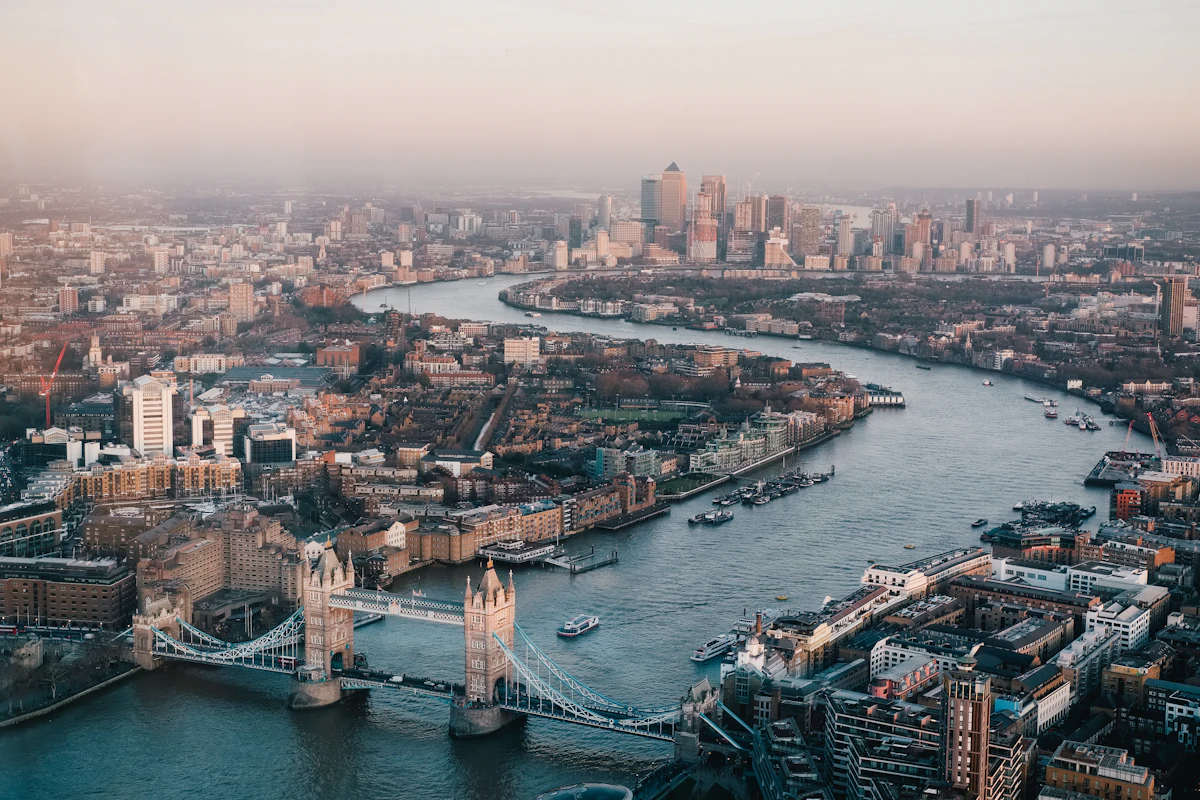
The United Kingdom's position in the geo-flex landscape is paradoxical: London is one of the world's two or three most significant cities for professional networks, finance, tech, media and the creative industries, a place where presence materially changes access, and the country attached to it offers Edinburgh's festival-city grandeur, Manchester's post-industrial confidence, Bristol's creative energy and a countryside whose footpath network is a civilization in itself, all in English, all outside Schengen, and all more reachable for the visiting professional than almost anywhere in this index.
The structural facts come first. The Standard Visitor allowance runs six months, double the Schengen season and spending nothing from it, with the Electronic Travel Authorisation, 16 pounds, multi-entry across two years, required for 85 nationalities including Americans and Europeans from February 25, 2026. And since January 2024 the UK has done what almost no country has: answered the remote-work question in writing, permitting visitors to work remotely for overseas employers as an incidental activity, provided it is not the main purpose of the visit, UK-market work stays off the table, and the stay does not read as living-in-Britain-while-working, with visits past 90 days drawing heightened scrutiny of exactly that line. It is not a nomad visa; it is the world's most generous formal visitor position, and this page states both halves. The settlement doors run selective after the July 2025 reform wave: the Skilled Worker route at 41,700 pounds or the occupation's going rate, whichever is higher, degree-level roles only, B2 English from January 2026, and per-pay-period salary compliance from April 2026; Global Talent takes the endorsed and distinguished without a job offer; the High Potential Individual visa gives top-global-university graduates two sponsorless years; Innovator Founder serves endorsed startups; Youth Mobility gives 18-to-30s from partner countries two unrestricted working years; and indefinite leave sits at five years with a ten-year proposal in the political pipeline. The tax landmark is the arrival's friend: the centuries-old non-dom regime died in April 2025, replaced by the FIG regime, four years of complete UK exemption on foreign income and gains for new arrivals non-resident the prior decade, remittance rules abolished with it.
The honest context runs heavier than the row above it used to admit: the US advisory holds Level 2 carrying terrorism, unrest and crime indicators together, and on April 30, 2026 the UK raised its national threat level from substantial to severe, the first time in over four years, after the Golders Green synagogue stabbings, JTAC explicit that the driver is a sustained multi-ideology rise rather than one attack. The lived register is different and specific: London's phone-snatching epidemic, tens of thousands of devices a year taken kerbside by e-bike riders, is the capital's actual street tax, pickpockets work the monuments, and the knife-crime file that dominates headlines concentrates in communities and postcodes far from the professional map. The country functions through all of it with practiced competence, and the six-month, English-speaking, formally-remote-work-tolerant base it offers has no true competitor in Europe.
Widening the search? If you are looking to expand your job hunt across Northern Europe, take a look at Ireland →, France →, and Netherlands →.
Cost of living
The UK prices as two countries: London, where one-bedrooms run 1,700 to 2,400 pounds in the zones professionals actually live, and everywhere else, where Manchester, Leeds, Glasgow and Bristol deliver serious city life at 40 percent less and Edinburgh splits the difference with festival-city premiums. The capital's costs buy the network access that is the whole point of being there; the second cities buy most of the life at provincial prices, two hours from Euston.
Daily life runs on institutions: the meal deal as the working lunch at 4 to 5 pounds, the pub as the social subscription with pints at 6 to 7 in London and 4 to 5 north, the supermarket tier from Aldi and Lidl through Tesco to Waitrose calibrating any budget, and the Sunday roast as the weekly ritual worth its 20 pounds. Transport is contactless-native, Oyster capping making London transit self-optimizing, the rail network expensive at walk-up and reasonable booked ahead with a railcard, and the intercity coach tier the honest budget lane. The comfortable single London life assembles at 3,400 to 4,200 dollars, the second cities at 2,400 to 3,000, the budget floor sits near 2,400 only outside the capital or in shares, and the honest British additions are cultural: the round-buying line item at the pub, the winter heating season in the drafty housing stock, and the theatre-and-gig calendar that is half the reason to be here.
- London rent is the fee for the network: 1,700 to 2,400 pounds for zone-2 one-bedrooms, with flat-shares as the professional norm well into careers; Manchester, Glasgow and Bristol run 40 percent less with real city life attached.
- Eat the institutional tiers: the 4-to-5-pound meal deal at lunch, the Aldi-to-Waitrose supermarket ladder calibrating any budget, and the Sunday roast as the ritual worth its price.
- Ride contactless and book ahead: Oyster-style capping self-optimizes London transit, advance rail fares with a railcard halve the walk-up robbery, and the coach tier is the honest budget lane between cities.
- Budget the pub as membership: the round system is social infrastructure with pints at 6 to 7 in London, and the winter heating season in the famously drafty housing stock is the line item arrivals forget.
Cost-of-living calculator
See how your budget stretches in United Kingdom.
Estimates use approximate exchange rates and typical monthly costs. Your actual costs will vary.
Visas & Entry
The UK runs its own immigration system entirely outside Schengen, and the visitor tier is the index's most generous formal deal: six months per visit for visa-free nationals, none of it touching the continental 90-in-180 clock, with the Electronic Travel Authorisation, 16 pounds, valid for multiple visits across two years, required for 85 nationalities including Americans, Canadians, Australians and Europeans from February 25, 2026. The 2024 rules answered the remote-work question in writing: visitors may work remotely for an overseas employer as an incidental activity, provided remote work is not the main purpose of the visit, nothing is done for the UK market, no UK payroll or clients, and the stay does not amount to living in Britain while working, with visits beyond 90 days drawing heightened scrutiny of that line and border officers empowered to refuse the laptop-first arrival.
The formal doors run selective after July 2025. The Skilled Worker route requires a licensed sponsor, a degree-level role, RQF 6 after the reform removed over a hundred occupations, salary at 41,700 pounds or the occupation's going rate, whichever is higher, against a 17.13-pound hourly floor, B2 English from January 8, 2026, and per-pay-period salary compliance from April 8, 2026; new entrants qualify from 33,400 pounds, PhD-relevant roles from 37,500, the Temporary Shortage List preserves some sub-degree roles without dependants through 2026, the care-worker route closed in July 2025, and the Immigration Health Surcharge runs 1,035 pounds per year. Global Talent takes leaders and potential leaders in science, digital technology and the arts by endorsement with no job offer and a fast settlement track. The High Potential Individual visa gives graduates of top-ranked global universities two sponsorless working years, now at B2. Innovator Founder serves endorsed innovative businesses, Youth Mobility gives 18-to-30s from partner countries, some to 35, two years of unrestricted work including remote, and the Graduate route shortens to 18 months from January 2027. Settlement: indefinite leave at five years on qualifying routes, a ten-year proposal in the political pipeline unresolved, citizenship a year later, and the whole status system moves to eVisas as physical permits retire through 2026.
- Use the visitor deal as designed: six months, formally permitted incidental remote work, and the main-purpose test as the guardrail; arrive with a visit-shaped story, keep UK clients off the books, and treat the 90-day mark as where scrutiny begins.
- Get the ETA before boarding: from February 25, 2026 the 16-pound authorisation gates 85 nationalities including Americans and Europeans, airlines enforce it at check-in, and the two-year multi-entry validity makes it a one-tap habit.
- Read the Skilled Worker math as two numbers: 41,700 pounds or the going rate, whichever is higher, against the hourly floor, with B2 English and per-pay-period compliance now in force; the going-rate table decides more cases than the headline figure.
- Route the exceptional through Global Talent: endorsement replaces the job offer, the work rights are the system's freest, and the arts, digital and science lanes each have their own endorsing bodies and evidence culture.
- Mind the moving parts: the Graduate route shortens to 18 months from 2027, the settlement clock may stretch to ten years under the pending proposal, thresholds rise with the annual tables, and the eVisa transition makes the UKVI account the passport's digital twin.
- Bank the geometry: UK months spend nothing from the Schengen clock, Ireland's Common Travel Area sits alongside, and the six-month allowance plus the continental 90 makes a nine-month legal European year for the well-organized.
| Visa or permit | What it covers |
|---|---|
| Standard Visitor and the ETA | Six months per visit outside the Schengen clock, with the 16-pound, two-year, multi-entry ETA required for 85 nationalities from February 25, 2026; the index's most generous visitor allowance, and no work of the UK-market kind. |
| The remote-work permission, precisely | Since 2024 the rules expressly permit incidental remote work for an overseas employer during a visit: not the main purpose, no UK clients or payroll, no living-here-while-working pattern, and stays past 90 days scrutinized on exactly that line. |
| Skilled Worker | Licensed sponsor, degree-level role, 41,700 pounds or the going rate, whichever is higher, a 17.13-pound hourly floor, B2 English from January 2026 and per-pay-period pay compliance from April 2026; new entrants from 33,400, PhD roles from 37,500. |
| Global Talent | The endorsed route for leaders and potential leaders in science, digital technology and the arts: no job offer, no sponsor, flexible work including self-employment, and the fastest settlement tracks in the system. |
| High Potential Individual and Youth Mobility | Top-global-university graduates get two sponsorless working years at B2; 18-to-30s from partner countries, some to 35, get two years of unrestricted work including remote; the two genuinely free-working lanes. |
| Innovator Founder | The endorsed startup door: an innovative, viable, scalable business judged by an endorsing body, with no fixed investment floor since the reform and a three-year track toward settlement for the businesses that perform. |
| Settlement and the eVisa era | Indefinite leave at five years on qualifying routes with a ten-year proposal pending in the political pipeline, citizenship a year later, and the whole system moving to eVisas as physical permits retire through 2026. |
Good to know: No DNV; Standard Visitor = 6 months OUTSIDE Schengen clock + 2024 rules formally permit incidental remote work for overseas employers (main-purpose test; 90+ days scrutinized; no UK market); ETA £16 for 85 nationalities from Feb 25 2026; Skilled Worker £41,700/going rate + £17.13/hr, RQF6, B2 from Jan 2026, per-pay-period compliance Apr 2026; Global Talent endorsed/no offer; HPI 2 yrs; Youth Mobility unrestricted; ILR 5 yrs (10-yr proposal pending); eVisas by end-2026.
Work & Legal
The UK is the rare jurisdiction that wrote the visitor remote-work answer down, and the answer is a conditional yes: incidental remote work for an overseas employer is expressly permitted during visits, the main-purpose test polices the line, UK-market work of any kind requires status, and the practical craft is keeping the visit visit-shaped. For the resident, self-employment is the easiest formalization in this index's Europe: sole-trader registration with HMRC takes minutes online, the self-assessment rhythm follows, the limited company earns its accounting at scale, and IR35's contractor rules shape how UK clients engage the incorporated.
The professional culture runs on understatement: brilliance is delivered deadpan, self-promotion lands as vulgarity, the meeting's real business often happens in the pub after it, and the email sign-off gradient from Best regards to Cheers is a genuine status instrument. London's depth is the point, finance, tech, media, law and the creative industries at world scale with the networking density to match, while the second cities run real ecosystems at humane costs. The operational geometry: GMT catches Europe from nine and holds the US East Coast until evening, the rail network makes day-trip range of most of England, August softens without vanishing, and the two national institutions that structure the working year, the summer bank holidays and the Christmas shutdown that genuinely runs a fortnight, reward planning around rather than through.
- Keep the visit visit-shaped: the incidental-remote-work permission is real and written, the main-purpose test is the guardrail, UK clients and payroll are the bright line, and the border conversation rewards a story about the trip rather than the laptop.
- Formalize in minutes when resident: sole-trader registration with HMRC is the index's easiest, self-assessment follows annually, and IR35 shapes how UK clients engage contractors; the accountant earns the fee at incorporation.
- Speak the understatement dialect: brilliance lands deadpan, not bad means excellent, self-promotion reads as vulgarity, and the pub after the meeting is where the meeting actually concludes.
- Work the geometry: GMT holds Europe and the US East Coast in one day, the rail net day-trips most of England from London, and the Christmas fortnight plus the bank-holiday summer are the calendar's fixed furniture.
Good to know: 2024 rules = written conditional YES on visitor remote work (incidental, overseas employer, main-purpose test); UK-market work requires status; sole trader via HMRC in minutes; IR35 shapes contracting; understatement culture; GMT geometry; Christmas fortnight real.
Taxes
UK tax runs the Statutory Residence Test's precision machinery around a 2025 landmark for arrivals: the non-dom regime is dead, and the FIG regime that replaced it exempts foreign income and gains entirely for the first four years.
| What applies | The rule in 2026 |
|---|---|
| The Statutory Residence Test | Residency runs on the SRT's day-counts and ties, automatic tests at the extremes and the sufficient-ties table between; under 16 days is safely out, 183 is definitively in, and the middle band is where planning actually lives. |
| The FIG regime, the 2025 landmark | The non-dom and remittance rules died in April 2025; arrivals non-UK-resident for the prior ten years now get four tax years of complete exemption on foreign income and gains, remittance irrelevant, money freely brought onshore; the single best arrival window in UK tax history, claimed on the return. |
| Residents and the schedule | Twenty percent to 50,270 pounds, 40 to 125,140 and 45 above, with the 12,570 personal allowance tapering away past 100,000 into the famous 60-percent effective band; Scotland runs its own steeper bands on earned income. |
| National Insurance and the self-employed | Class contributions ride employment and self-employment income at single-digit rates, sole traders file self-assessment with payments on account, and the limited-company salary-dividend architecture is the contractor's standard conversation, IR35 permitting. |
| Capital gains and the investor tier | CGT runs 18 and 24 percent after the October 2024 rises with a small annual exemption; the FIG window shelters foreign gains for arrivals, and ISAs shelter 20,000 pounds a year of the domestic portfolio tax-free forever. |
| Americans specifically | A US-UK treaty stands with a totalization agreement sparing double social contributions; the FIG years pair unusually well with US-source portfolios, and the UK's ISA is not IRS-recognized, the classic trap the expat accountant exists to catch. |
| VAT and the practical layer | VAT at 20 percent with registration at 90,000 pounds of UK turnover, the Immigration Health Surcharge at 1,035 pounds a year functioning as the visa-holder's NHS subscription, and council tax as the residence line item budgets forget. |
| The home-country half | UK residency does not silence the jurisdiction left behind: the SRT's split-year rules, treaty tie-breakers and the four-year FIG clock all reward planning before arrival, and the window, once the four years run, does not renew. |
Verified 21 August 2026: the SRT architecture, the April 2025 abolition of the non-dom regime and the four-year FIG exemption for ten-year non-residents, the 20-40-45 schedule with the tapered allowance and Scottish variation, CGT at 18 and 24 percent, VAT at 20 percent, the 1,035-pound IHS, and the standing US treaty with totalization. General information, not tax advice.
Good to know: FIG regime = the landmark: non-dom abolished Apr 2025 → 4 tax years of FULL exemption on foreign income+gains for arrivals (10-yr non-resident test, remittance irrelevant, non-renewable); SRT day-count machinery; 20/40/45 + tapered allowance (60% effective band); Scotland's own bands; CGT 18/24; ISA not IRS-recognized (US trap); IHS £1,035/yr; US treaty + totalization; VAT 20%.
Healthcare
The NHS remains one of the world's most comprehensive public systems, free at the point of use for the ordinarily resident, with visa holders buying in through the 1,035-pound-per-year Immigration Health Surcharge and short-term visitors expected to carry travel insurance, since emergency care is treated first and billed after for the non-entitled. The honest 2026 texture: primary care is excellent once accessed but GP appointments queue, elective waits are the system's known weakness, and the private tier, Bupa, HCA, the Harley Street ecosystem, sells exactly that speed, which is why resident professionals increasingly carry private cover as a supplement rather than a replacement. London's teaching hospitals rank with the world's best, Oxford and Edinburgh anchor their regions at the same tier, and everything happens in English with pharmacy chains, Boots on every high street, running a capable minor-ailment tier.
The practical notes: dental is the system's genuine gap, NHS dentistry scarce and private pricing standard; 111 triages the urgent-but-not-emergency tier by phone and app; 999 answers emergencies; prescriptions run a flat charge in England and free in Scotland and Wales; and the health risks are lifestyle-mild, the winter's grey asking the lamp discipline, and the pub culture asking its own moderation. For the visiting professional the summary is simple: insurance for the visit, the IHS as the visa-holder's subscription, and a system that is superb at the serious and slow at the elective.
- Know your lane: residents register with a GP and use the NHS, visa holders' IHS buys the same access, and visitors carry insurance because emergency care is treated first and billed after for the non-entitled.
- Use 111 before A&E: the phone-and-app triage routes the urgent-but-not-emergency tier to the right door, the pharmacy minor-ailment tier handles more than arrivals expect, and 999 answers the genuine emergencies.
- Budget dental privately: NHS dentistry is the system's scarce corner, private pricing is standard, and the pre-trip appointment at home remains the honest arbitrage.
- Consider the private supplement as a resident: the elective queues are the known weakness, private cover sells exactly that speed, and the professional-class norm is supplement rather than replacement.
| Hospital | What to know |
|---|---|
| St Thomas' and Guy's, London | The Thames-side teaching flagship pair facing Parliament, full tertiary depth in the NHS's front window. |
| University College London Hospitals | The Euston academic cluster with world-tier specialty depth and the research engine of UCL behind it. |
| Royal Free Hospital, London | The Hampstead teaching anchor with national referral roles and the north-London catchment. |
| John Radcliffe Hospital, Oxford | Oxford University's teaching flagship, tertiary medicine at world rank an hour from London. |
| Royal Infirmary of Edinburgh | Scotland's teaching anchor carrying the capital and the Lothians with full academic depth. |
| The access architecture | NHS free at point of use for the entitled, the 1,035-pound IHS as the visa-holder's subscription, travel insurance for visitors, 111 for triage, and the private tier selling speed the elective queues lack. |
Hospital list compiled 21 August 2026 and not yet confirmed against each facility directly. Treat as indicative and verify before relying on it.
Good to know: NHS free at point of use for entitled; IHS £1,035/yr = visa-holder subscription; visitors need insurance (billed after treatment); 111 triage + Boots minor-ailment tier; elective queues = known weakness → private supplement norm; NHS dental scarce; London/Oxford/Edinburgh teaching tier world-rank; 999.
Safety
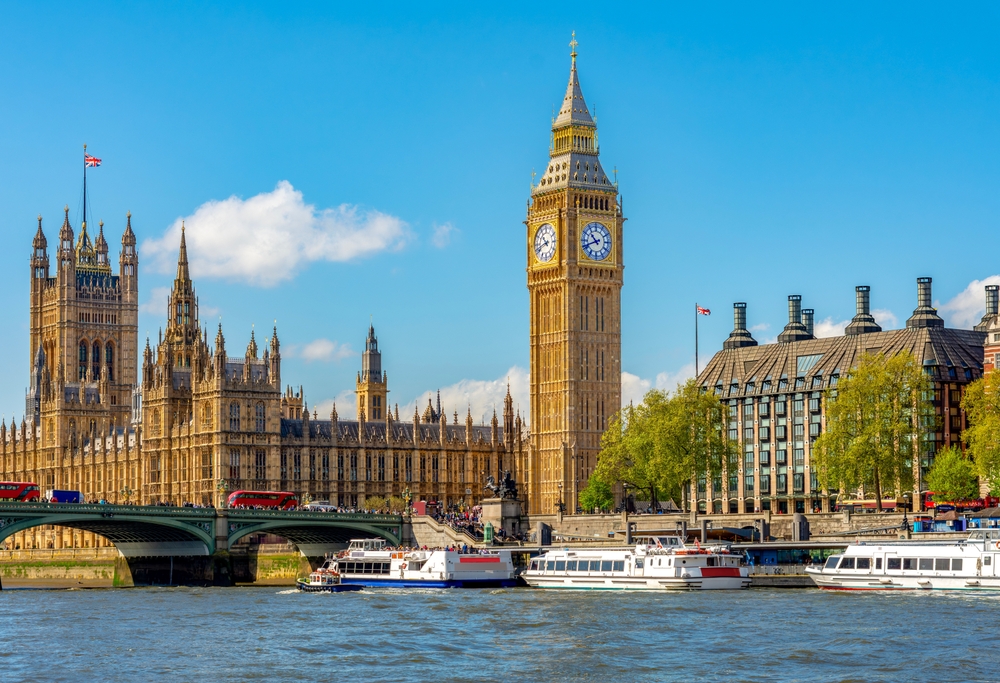
The UK's 2026 file asks for precision, because both halves moved this spring. The official half: the US advisory holds Level 2, Exercise Increased Caution, and carries three indicators together, terrorism, unrest and crime, the heaviest set in this index's Western Europe; and on April 30, 2026, the Joint Terrorism Analysis Centre raised the national threat level from substantial to severe, meaning an attack is highly likely, the first time at that tier in over four years, following the April 29 Golders Green synagogue stabbings, with JTAC explicit that the driver is a sustained, multi-ideology rise, Islamist terrorism primary and extreme right-wing terrorism on a steady climb, rather than any single incident; Northern Ireland-related terrorism in Northern Ireland sits separately at substantial. The visible result is more armed patrols at stations and events, and the practical translation for a visitor is vigilance in crowds rather than any change of plans.
The street half is specific and mostly economic: London's signature crime is phone snatching, tens of thousands of devices a year taken kerbside by e-bike and moped riders in seconds, phones held mid-text at the road's edge the classic mark; pickpockets work the Westminster monuments with reported incidents up double digits into 2026; and the knife-crime file that dominates domestic headlines concentrates overwhelmingly in specific communities and postcodes far from the professional and tourist map, real as a social crisis, marginal as a visitor risk. Demonstrations run large and frequent, occasionally turning confrontational, with transport disruption the usual cost; Northern Ireland's marching season, April through August peaking on July 12, deserves calendar awareness; and the four nations otherwise run among the world's most orderly societies, transit safe at all hours, solo travelers of every description reporting standard-big-city comfort. Emergencies answer at 999 or 112, the anti-terrorist hotline takes the see-something tier, and the honest summary is a country whose official threat machinery runs loud, whose street reality runs calm, and whose one genuine daily hazard fits in your pocket and wants to leave it.
- Read the severe level as posture, not forecast: the April 2026 rise reflects a sustained multi-ideology climb met by the world's most practiced counter-terrorism machinery; the personal translation is crowd vigilance and the see-something reflex, nothing more.
- Defend the phone like a Londoner: the e-bike snatch takes seconds at the kerb, phones held mid-text at the road's edge are the classic mark, and the habits, back from the kerb, grip firm, pockets in stations, answer the capital's actual signature crime.
- Run the monument discipline: Westminster's pickpocket statistics climbed into 2026, bags stay closed and forward at the sights, and the tourist-core awareness is the entire remaining street register.
- Place the knife-crime file honestly: the crisis is real and concentrated in communities and postcodes far from the professional and visitor map; the aggregate statistics describe a geography most arrivals never enter.
- Treat demonstrations and the marching season as calendar: London's protest cycle runs large with transport as the usual cost, Northern Ireland's July 12 peak deserves awareness, and distance plus the transit app absorb both.
- Know 999, 112 and the hotline: the emergency numbers answer everything, the anti-terrorist hotline takes the see-something tier, and STEP enrollment takes five minutes against a machinery that communicates constantly.
Official travel advisories
| Government | Current position |
|---|---|
| United States | Level 2, Exercise Increased Caution, carrying terrorism, unrest and crime indicators together: the standard target-set language, the Northern Ireland dissident note focused on police and military targets, and the demonstration calendar acknowledged.travel.state.gov → |
| MI5 and JTAC | The domestic layer: the national threat level raised to severe, four of five, on April 30, 2026 after Golders Green, the first time in over four years, driven by a sustained Islamist and extreme right-wing rise; Northern Ireland-related terrorism in Northern Ireland at substantial.mi5.gov.uk → |
| Canada | High degree of caution for terrorism, quoting the severe national level; carries the practical register, common pickpocketing, cellphone theft named in London's tourist areas, and the demonstration-disruption pattern.travel.gc.ca → |
| Australia | Exercise a high degree of caution with the elevated threat level noted; the standard crowd-vigilance advice and the petty-crime register for the tourist core.smartraveller.gov.au → |
| US Embassy London | Enroll in STEP; the embassy's 2026 security alerts tracked the threat-level rise and the attacks-and-threats file in real time. 33 Nine Elms Lane, London; +44 20 7499 9000.uk.usembassy.gov → |
Advisory positions verified 21 August 2026: the US Level 2 with terrorism, unrest and crime indicators, the April 30, 2026 rise of the national threat level to severe after Golders Green with JTAC's multi-ideology framing, Northern Ireland's separate substantial level, the London phone-snatching and Westminster pickpocket files, and the marching-season calendar. Open the sources before travelling.
Good to know: US L2 with THREE indicators (T+U+C — heaviest in W. Europe) above MI5/JTAC SEVERE (raised Apr 30 2026 post-Golders Green, first in 4+ yrs, multi-ideology framing); NI-related terrorism in NI = substantial; signature street crime = phone snatching (tens of thousands/yr, e-bike kerbside); Westminster pickpockets up double digits; knife-crime file concentrated far from visitor map; marching season Jul 12 peak; 999/112.
Climate
The UK runs the Atlantic's temperate grey with famous changeability: London summers at 18 to 24 with occasional heatwave spikes the un-air-conditioned housing stock takes seriously, winters at 2 to 8, wet and grey rather than severe, rarely freezing in the south, and the operative statistic being sunshine hours, roughly half Southern Europe's, which makes the October-through-March stretch the lamp-and-interior season the culture built the pub, the theatre and the Sunday roast to answer. Scotland runs cooler and wetter with drama as compensation, Wales and the west catch the Atlantic's rain first, and the east runs drier than the reputation admits. The working year: May through September is the prize, long evenings, park life, the festival calendar from Edinburgh's August madness through the summer's music circuit, and the countryside's footpath network at full glory in the Lakes, the Highlands and the coast paths; April and October are honest shoulders; and the winter is the productive interior season, mild enough to move through and grey enough to make the desk agreeable. The kit is the famous one, layers and a real waterproof regardless of forecast, the umbrella a personality test the wind usually wins, and the adaptation is cultural: the weather is the national conversation precisely because it changes hourly, and planning around it rather than with it is the entire secret.
| Season | What to expect |
|---|---|
| Summer, May to September | The prize: 18-to-24 London days with heatwave spikes, evenings long past nine, park-and-festival culture at full run from Edinburgh's August to the music summer, and the footpath network's glory season. |
| Winter, November to February | Two-to-eight, wet, grey and short-lit rather than severe: the interior season the pub, theatre and roast were built for, with the sunshine-hours deficit as the real weather. |
| The shoulders, March-April and October | Changeable, functional and uncrowded, spring detonating through April and autumn burning briefly gold; honest working months either side of the prize. |
| The regional gradient | Scotland cooler, wetter and more dramatic, Wales and the west catching the Atlantic first, the east drier than reputation; four nations, one conversation about the weather. |
Good to know: May-September is the prize; sunshine hours, not temperature, are the real UK weather; the winter is the interior season the culture was built to answer; layers and a real waterproof beat any forecast.
Culture & Customs
British culture runs on codes delivered sideways: the queue is sacred and self-enforcing, understatement is the national register, not bad means excellent and interesting can mean anything, apology functions as punctuation, and irony is the load-bearing wall of every conversation. The pub is the central social institution across all four nations, the rounds system its constitution, the Sunday roast its sacrament, and the after-work pint where professional Britain actually concludes its meetings. Beneath the shared codes run four distinct nations with real identities, England's regional mosaic, Scotland's confident difference down to its own banknotes and right to roam, Wales's bilingual signage and song, Northern Ireland's layered complexity, and getting the distinctions right, never English for the whole, is the fastest respect available.
The calendar structures the year: the festival summer from Glastonbury through Edinburgh's August, when the world's largest arts festival swallows a capital, the football season as the national weather system with allegiances inherited like surnames, the Christmas fortnight that genuinely stops the country, and the bank-holiday weekends that empty the cities. The codes are light but real: queue always, tip 10 to 12.5 percent at table service and rarely at the bar, stand right on escalators, thank the bus driver outside London, and let self-deprecation do the introducing. The professional who stands their round, masters the weather conversation, picks a football club with appropriate humility and learns that a British compliment arrives disguised as an insult has decoded the operating system: a culture that hides genuine warmth behind genuine reserve, and rewards the patience to tell them apart.
- Honor the queue as the constitution it is: self-enforcing, sacred and silently policed, with the jumper marked forever; the queue is the culture's entire social contract in miniature.
- Learn the understatement dialect: not bad means excellent, quite good is cooler than good, brilliance arrives deadpan, and the compliment disguised as an insult is the highest form of acceptance.
- Stand your round: the pub's rounds system is the membership test across all four nations, the after-work pint is where the meeting concludes, and the Sunday roast is the weekly sacrament worth its price.
- Get the four nations right: England, Scotland, Wales and Northern Ireland are distinct identities under one flag, never English for the whole, and the distinction honored is the fastest respect available.
- Ride the calendar: the festival summer through Edinburgh's August, the football season as national weather, the Christmas fortnight that stops the country, and the bank holidays that empty the cities; the rhythm is half the culture.
- Keep the small codes: stand right on escalators, thank the bus driver outside London, tip at table service and rarely at the bar, and deploy sorry as the all-purpose social lubricant it is.