.png)
Digital Nomad
Safest Countries For Digital Nomads If World War 3 Breaks Out
Discover the safest countries for remote workers to relocate to if World War 3 breaks out, featuring secure locations and visa requirements.
· March 14, 2026 · 13 min read
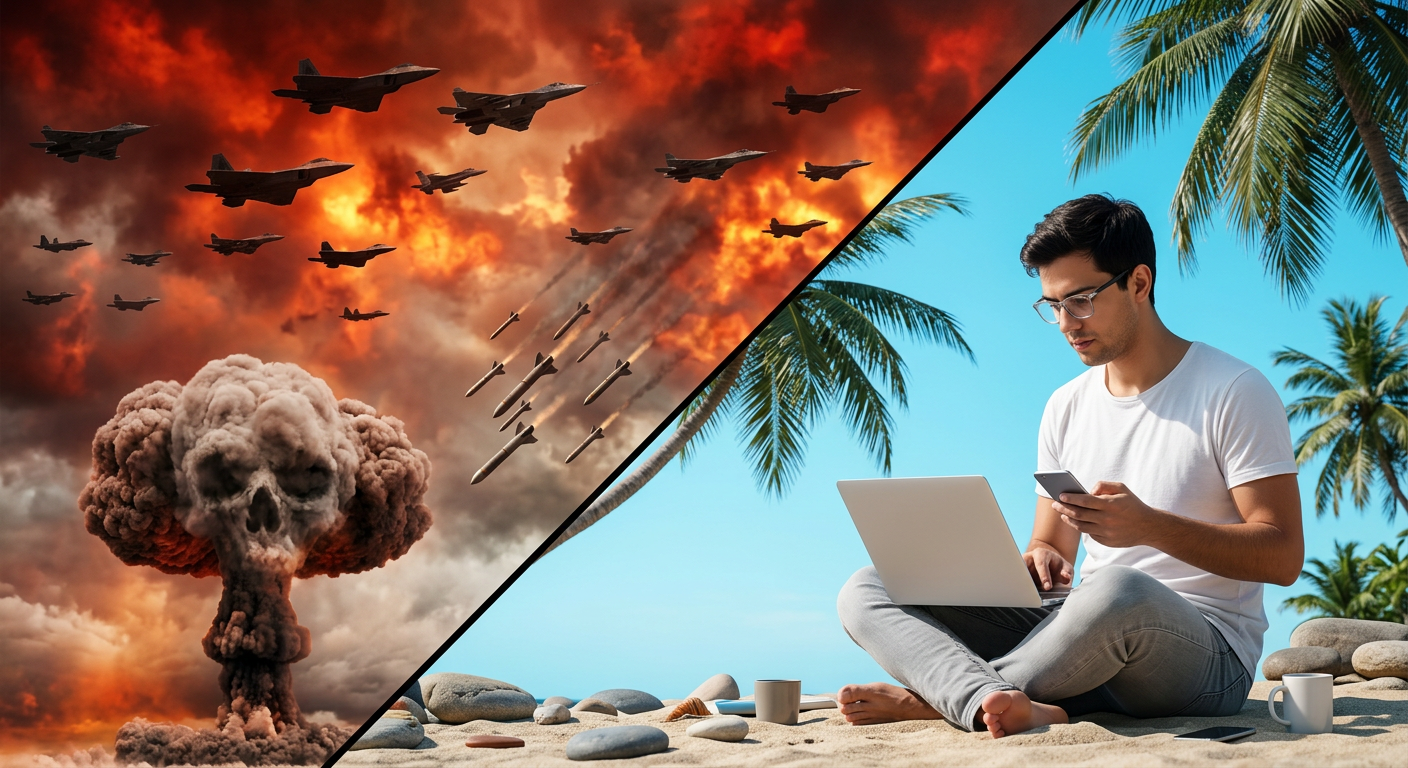
The pursuit of the digital nomad lifestyle often begins with a deep desire for personal freedom and the ability to design a life on your own terms. We untether ourselves from traditional cubicles because we want our careers to adapt to our lives rather than the other way around. However, that sense of freedom and peace can suddenly be disrupted by people in power who choose to solve their problems with missiles and drones rather than level-headed diplomacy, and even a respect for sovereignty.
True geographic flexibility acts like a reinforced storm shelter when the global climate turns unpredictable. As we observe the escalating geopolitical tensions of early 2026 across North America, Eastern Europe, and the Middle East, that freedom transforms from a luxury into a profound survival strategy. If these tensions escalate into a full world war, most countries will feel their reach. However, there are safer and more peaceful options where digital nomads can escape the heat — at least for the most part.
What Makes a Country Truly Safe During Global Conflict?
Finding a secure base during international unrest means you can't just look at standard tourist brochures and vacation hotspots. A location that looks beautiful on social media might be highly vulnerable to supply chain collapses if international shipping routes become compromised.
When traditional alliances shift, a nation that can independently sustain its population becomes incredibly valuable. Look for places that pair political neutrality with the digital infrastructure necessary to maintain flexible work schedules without interruption.
When assessing global safe havens, consider locations based on three foundational pillars of security:
- Geographic Isolation: Nations surrounded by massive bodies of water or highly defensive mountain ranges naturally deter foreign invasion while remaining removed from superpower borders.
- National Self-Sufficiency: Safe countries must produce enough food and renewable energy domestically to survive long periods of restricted global trade.
- Practical Remote Infrastructure: The destination must provide reliable connectivity and clear digital nomad visas to ensure professionals can continue earning a stable foreign income legally.
Island States: New Zealand and Iceland

When international borders become flashpoints, massive oceanic buffers provide an unparalleled defensive advantage. New Zealand and Iceland consistently rank at the top of the Global Peace Index because they're thousands of miles from major nuclear targets and geopolitical friction zones. New Zealand maintains a massive agricultural sector that produces significantly more food than its population consumes, which creates a natural barrier against global starvation events.
For remote workers looking to build a long-term base, New Zealand offers a robust infrastructure that makes daily tasks completely frictionless. You can comfortably manage digital marketing campaigns or software development projects while knowing you reside in one of the most heavily insulated nations on Earth.
When an independent contractor decides to relocate to Iceland, they must carefully navigate both the physical isolation and the legal requirements of their stay. Iceland officially offers a digital nomad visa that allows foreign professionals to legally reside there while tapping into the local geothermal energy grid, which remains completely unaffected by global oil shortages. Moving to a nation that relies heavily on renewable energy means your server connections and daily video calls won't drop if international energy markets collapse.
The Southern Cone: Uruguay, Argentina, and Chile
While isolated islands offer distinct advantages, the South American continent provides a massive geographical buffer from the primary conflict zones of Europe and Asia. The Southern Cone — Uruguay, Argentina, and Chile — represents a rapidly growing hub for the digital nomad lifestyle due to its unique combination of agricultural wealth and distance from superpower rivalries.
Argentina operates as a global powerhouse in grain and livestock production, which means the region would likely remain well-fed even if international supply lines completely froze. Uruguay combines this regional food security with exceptional political stability and highly favorable tax structures.
Relocating to South America also offers advantages for professionals who need to maintain specific working hours. The time zones align with North American business hours, which makes synchronous communication incredibly simple. You can easily attend live meetings or coordinate with clients without forcing yourself into exhausting midnight shifts. Plus, the region perfectly balances affordable living, high security, and practical professional logistics.
EnRoute Jobs AI tool
Route Planner
Map visa routes, timelines, and relocation costs for your next destination.
Switzerland

Finding absolute security within Europe requires looking closely at nations that have successfully maintained strict political neutrality for centuries. Switzerland represents the gold standard for conflict avoidance, having managed to stay completely out of major global wars through a combination of diplomatic strategy and heavily fortified mountainous terrain. The country features an extensive network of civilian bunkers capable of housing its entire population, which provides an unmatched level of physical security.
While Switzerland doesn't offer cheap residency pathways, high-earning professionals often utilize specialized business visas to establish a highly secure European base. The nation offers pristine connectivity and an incredibly stable financial sector that protects your assets during global market panics.
Maintaining Your Digital Infrastructure During Global Crises
Securing a physical safe haven solves only half of the equation for modern professionals. The other key component involves ensuring your digital lifeline remains completely intact during international disruptions. If global conflicts sever underwater internet cables or disrupt satellite communications, your ability to perform daily tasks could vanish overnight. Choosing a destination with highly localized server infrastructure and redundant internet pathways becomes just as important as finding a country with strong agricultural output.
Executing a relocation to a highly secure nation requires careful logistical planning to ensure your career remains uninterrupted. This includes:
- Asynchronous Communication: Teams must rely heavily on documented processes and delayed responses rather than immediate real-time meetings when spread across distant secure zones.
- Financial Redundancy: Maintaining bank accounts in multiple stable jurisdictions ensures you can always access your funds if one region experiences banking failures.
- Tax Compliance Management: Handling complicated tax implications when moving between countries requires utilizing legal professionals to ensure you meet all residency requirements in your new safe haven.
- Remote Marketing Jobs: Finding flexible roles that evaluate your output rather than your physical location becomes essential for funding your life in premium secure locations.
The Realities of Transitioning to a Highly Secure Lifestyle
Moving to a fortified safe haven fundamentally changes how you interact with both your professional network and your daily environment. Professionals who prioritize absolute geographic security often need to adopt heavily asynchronous work habits to compensate for the extreme time zone differences of places like New Zealand. This shift creates a profound cause and effect relationship across the global labor market. As global instability pushes workers toward isolated regions, companies are forced to adopt output-based management styles rather than relying on physical presence. This trend ultimately benefits the entire remote workforce by proving that deep, focused work happens best when employees have the freedom to design their own schedules in locations where they feel entirely safe.
Build Your Geographic Contingency Plan
Creating a contingency plan isn't about panic — it's about taking full control over your physical and professional destiny. When you leverage your remote career to secure legal residency in an insulated nation, you actively protect your future against the unpredictable nature of international politics. Find the roles that make this level of geographic freedom possible.