.png)
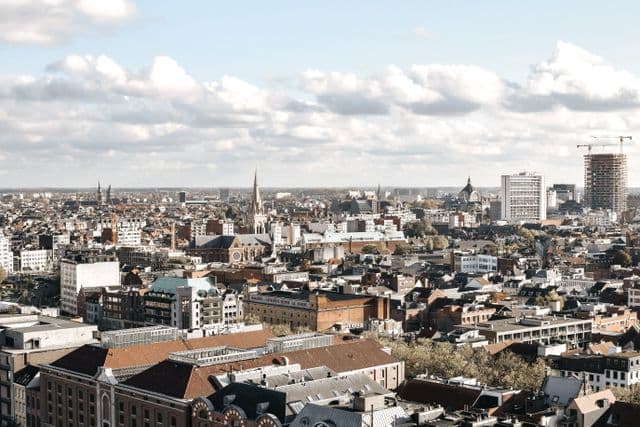
About Antwerp
Antwerp is Belgium''s commercial soul and the country''s most self-possessed city. The world''s second-largest port (after Rotterdam in Europe) and the global center of the diamond trade since the fifteenth century gave Antwerp a bourgeois confidence and a particular relationship with accumulation that is visible in its architecture, its fashion culture, and the directness of its Flemish civic character. The city has been buying art since Rubens was alive and painting in it.
For digital nomads, Antwerp is a Schengen city with Belgium''s full EU infrastructure at costs below Brussels. One-bedroom furnished apartments in the Zurenborg or the Eilandje harbor neighborhoods run 800 to 1,400 EUR per month. The coworking market has developed around the city''s digital and fashion economy: Fosbury & Sons, WeWork, and independent operators in the Meir and Zuid districts serve the professional community. The harbor front (Eilandje) redevelopment has produced some of the most interesting new urban fabric in Belgium.
The Antwerp Six fashion designers who emerged from the Royal Academy of Fine Arts in the 1980s (Dries Van Noten, Ann Demeulemeester, Walter Van Beirendonck, and the others) put Belgian fashion on the world map and the legacy runs through the current generation of graduates. The fashion museum (MoMu) and the continued presence of ateliers in the city give it a creative fashion culture that Brussels doesn''t have.
Cost of living
Cost-of-living calculator
See how your budget stretches in Antwerp.
Estimates use approximate exchange rates and typical monthly costs. Your actual costs will vary.
- Coffee
- $3
- Cheap meal
- $13
- Coworking (day)
- $22
- Mid-range meal for 2
- $55
- Rent (1BR, center)
- $1,000
- Transit (monthly)
- $50
- Internet (monthly)
- $38
- Rent (1BR, outside)
- $750
EnRoute Jobs AI tool
Real Value Calculator
See what a salary actually leaves you in the country you want to live in.
Neighborhoods
Historisch Centrum
Tourism, culture
Medieval port core; Cathedral of Our Lady and Grote Markt.
Het Zuid
Creatives, design lovers
Arts and fashion district with galleries and boutiques.
Berchem
Budget, multicultural
Diverse affordable suburbs with strong restaurant scenes.
Zurenborg
Architecture lovers
Ornate fin-de-siecle residential streets; architecturally remarkable.
Getting around
- overview
- Excellent tram and bus network. Walkable historic centre. Cycling outstanding. Trains to Brussels 35 minutes.
Culture
Rubens painted in Antwerp for most of his productive life, and the city has kept the evidence: the Rubenshuis (his house and studio, now a museum), the Onze-Lieve-Vrouwekathedraal (two Rubens altarpieces, the Descent from the Cross and the Elevation of the Cross, painted for specific locations in the cathedral where they still hang), and the Museum of Fine Arts hold enough of his work to constitute a genuine Rubens experience rather than a representative sample.
The Flemish identity in Antwerp is more assertively Dutch-speaking than in Brussels, and the political expression of Flemish nationalism has historically had its strongest base in the city. The relationship between the city''s cosmopolitan commercial history and its Flemish regional politics is the local tension that visitors from outside Belgium tend to find surprising.
Climate & best time to visit
Temperate maritime, similar to Brussels. Mild summers (19–23°C), cool wet winters (2–5°C). April–June and September are optimal; the port city character is most alive in spring and early autumn.
Best months: May, June, September
Tips & safety
- •Excellent tram and bus network. Very walkable historic centre. Cycling outstanding. Trains to Brussels in 35 minutes.
- •Moderate. One-bed rent €800–1,300/month.
- •Antwerp is safe by international standards; pickpocketing in tourist areas and the station vicinity are the main concerns
- •Cycling is the most practical transport in Antwerp; the infrastructure is good but road conditions vary and helmets are not mandatory but are sensible
- •Emergency: 112
Areas to avoid: The area around Antwerp-Centraal station and some immediate streets to the north have consistent pickpocketing and petty crime; keep bags secure on arrival and departure, The red-light district east of the station has higher rates of street-level crime; not a tourist destination, Some neighborhoods toward the port northwest of the station (Oud-Borgerhout borders) have elevated crime statistics by Belgian standards