.png)
About Sri Lanka
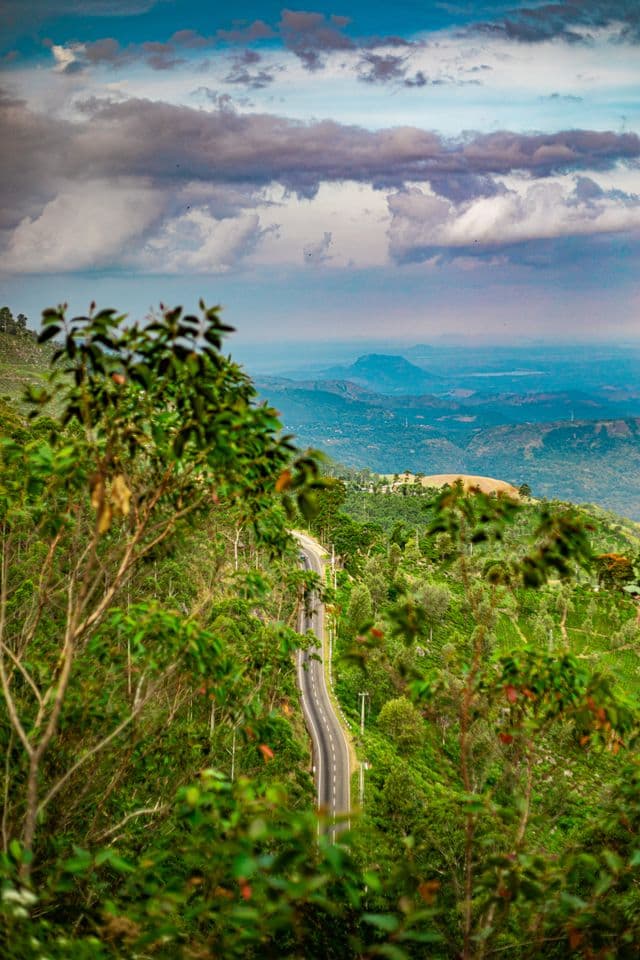
Sri Lanka is the island that turned its recovery into a remote-work strategy: after the 2022 crisis years that emptied its beaches, the country rebuilt its tourism economy around exactly this index's audience, and in 2026 the paperwork finally matched the surf. The result is one of Asia's best budget bases, a teardrop-shaped country where two coasts trade seasons so the waves never stop, the hill country runs tea-cool at altitude, and a month costs what a week does in the destinations it competes with.
The paperwork, current and layered: entry runs through the ETA electronic authorization, free since May 25, 2026 for 40 nationalities including the US, UK, most of the EU, Canada and Australia, obtained online at the official portal before boarding, the diplomatic missions warn plainly about boarding denials for those who assume on-arrival works, granting 30 days double-entry. Then the famous ladder: extensions through the Department of Immigration, online or at Battaramulla, run to day 90 for about 100 dollars, day 180 for another 150, and day 270 for a final 200, nine months for roughly 450 dollars without ever touching a residence visa, and a new 180-day tourist category launched in February 2026 runs beside it through the online system. The headline is newer still: after years of announcements, the digital nomad visa went live in February 2026 as an official residence-visa category, one year with renewal intent though the renewal rules await full publication, roughly 500 dollars in government fees, 2,000 dollars monthly of documented income from foreign employers or clients, spouse and children as dependents, and the lease-signing, bank-opening standing that turns a stay into a base.
The island earns the paperwork. The south coast from Weligama through Ahangama to Hiriketiya is the December-to-April season, one of Asia's great surf-and-laptop economies with fiber, backup-power coworking and a café tier built by exactly this audience, its camps taking on surf instructors and exchange volunteers every season; Arugam Bay on the east coast takes the May-to-September handoff so the country never runs out of working season; Ella and the hill country run the tea-estate cool escape at altitude; Colombo anchors the practical tier; and the entire island moves by tuk-tuk negotiation, scenic-slow trains and a road culture that is honestly the country's biggest daily risk. The frame: an increased-caution-tier advisory register whose practical content is roads, ocean rips and petty opportunism rather than anything graver, the crisis years' shortages resolved but their lessons kept in every generator, a 183-day tax line worth planning around since no special nomad exemption has been announced, and costs, a comfortable month at 1,300 dollars, a budget one at 850, that make Sri Lanka the value anchor of this index's Asian tier.
Widening the search? If you are looking to expand your job hunt across South Asia, take a look at India →, Thailand →, and Malaysia →.
Cost of living
Sri Lanka prices as a genuine budget paradise with a coastal-premium footnote: Colombo one-bedrooms run 100,000 to 180,000 rupees monthly (roughly 330 to 600 dollars), the nomad coast prices by season and stock, a room in a surf-town guesthouse at 400-to-700 dollars monthly in high season, villas shared or entire above that, with the shoulder months discounting hard, and the hill country running lighter than both. The nomad-visa tier's lease-signing standing opens the local long-term market that tourist status never sees, which is where the real value lives.
Daily life runs delightfully light: rice-and-curry feeds honestly at 400-to-800 rupees, the kottu roti counter is the national late plate, king coconuts cost pennies, Western-café breakfasts on the surf coast price the audience they serve at 1,500-to-2,500 rupees, and the produce markets run tropical abundance at local honesty. The practical lines: tuk-tuks by meter app (PickMe) rather than negotiation where possible, the scenic trains price long distance at nearly nothing, scooter rentals run 25,000-to-40,000 rupees monthly with the license-and-helmet caveat the safety section repeats, mobile data is among the world's cheapest, and fiber-plus-backup-power on the nomad coast runs 5,000-to-10,000 rupees. The comfortable single professional life assembles at 1,100 to 1,500 dollars on the coast in season, lighter off it and in the hills, the budget floor sits near 850 with guesthouse-and-rice-curry discipline, and the honest Sri Lankan additions are the seasonal coast-hop the two-monsoon calendar rewards, the visa-ladder fees, and the generator-backed workspace premium that earns itself the first power cut.
- Price the season, not the listing: high-season surf-coast rooms run 400-to-700 dollars and shoulder months discount hard; the two-coast calendar means moving with the season is the value play.
- Eat local as the default: rice-and-curry at 400-to-800 rupees and the kottu counter feed honestly; the Western-café tier prices its audience and belongs in the budget as the treat line.
- Ride PickMe and the trains: the meter app beats tuk-tuk negotiation, the scenic rail prices the island at nearly nothing, and the scooter line carries the license-and-helmet caveat seriously.
- Pay the generator premium gladly: backup-power coworking learned the crisis years' lessons, the first outage repays the fee, and the fiber-plus-generator combination is the coast's real infrastructure.
Cost-of-living calculator
See how your budget stretches in Sri Lanka.
Estimates use approximate exchange rates and typical monthly costs. Your actual costs will vary.
Visas & Entry
Sri Lanka's entry system runs an ETA gate, a famously generous extension ladder, and, since February 2026, a real nomad visa. The gate: every visitor needs the Electronic Travel Authorization from the official portal, eta.gov.lk, before boarding, free since May 25, 2026 for 40 nationalities including the US, UK, most EU states, Canada and Australia and standard-fee for others, granting 30 days double-entry, with the diplomatic missions warning plainly that assuming on-arrival processing risks boarding denial, and the lookalike-site trap charging for the free process being the classic one to avoid.
The ladder is the island's quiet superpower: extensions through the Department of Immigration, online at the eservices portal or in person at Battaramulla, run to day 90 for roughly 100 dollars, to day 180 for another 150, and to day 270 for a final 200, nine months for about 450 dollars total without residence status, and a new 180-day tourist category launched in February 2026 runs alongside through the online system and mobile app. The headline arrived the same month: the digital nomad visa, live since February 2026 as an official residence-visa category after years of announcements, grants one year with renewal intent, though authorities have not yet fully published the renewal rules, for roughly 500 dollars in government fees, against 2,000 dollars monthly of documented income from employers or clients outside Sri Lanka, with spouse and children accompanying as dependents and the residence standing that signs leases and opens bank accounts. The bright lines are standard: work for Sri Lankan employers or clients requires the employment-visa machinery through a local sponsor, volunteering and religious work need their own entry visas obtained at embassies rather than online, and the honest summary is the generous one: between a free month, a 450-dollar nine-month ladder and a 500-dollar year with residence standing, Sri Lanka now runs one of Asia's most flexible stacks at one of its lowest prices.
- Get the ETA before the airport, always: the free authorization takes minutes at the official portal, the boarding-denial warnings are real, and the on-arrival assumption is the trip's cheapest mistake to avoid.
- Climb the ladder deliberately: 30 to 90 to 180 to 270 runs about 450 dollars total, the online portal handles the stages, and the nine-month runway needs no residence status at all.
- Take the nomad visa when the base is real: 500 dollars buys the year, the lease and the bank account; the 2,000-dollar income bar documents through contracts and statements, and the family rides as dependents.
- Watch the renewal rules land: the visa's renewal intent is stated while the mechanics await publication; plan year one firmly and year two on the official announcements.
- Keep the work foreign-facing: Sri Lankan employers or clients move everything to sponsored employment visas, and the volunteer-and-religious tier runs through embassies rather than the online system.
- Use only the official portals: the free ETA and cheap extensions have spawned a lookalike-site economy; eta.gov.lk, eservices.immigration.gov.lk and the embassy lists are the entire map.
| Visa or permit | What it covers |
|---|---|
| The ETA gate | Mandatory pre-boarding authorization from eta.gov.lk: free since May 2026 for 40 nationalities including the US, UK, EU, Canada and Australia, standard-fee for others, 30 days double-entry, with boarding-denial warnings for those who assume on-arrival works. |
| The extension ladder | The quiet superpower: to day 90 for ~100 dollars, day 180 for ~150 more, day 270 for a final ~200, through the online eservices portal or Battaramulla; nine months for about 450 dollars without residence status. |
| The 180-day tourist category | Launched February 2026 beside the ladder: a long-stay tourist visa through the online system and mobile app, with funds, onward-travel and standard documentation expectations. |
| The Digital Nomad Visa | Live since February 2026 as an official residence-visa category: one year for ~500 dollars in government fees, 2,000 dollars monthly of documented foreign income, renewal intent with rules awaiting full publication. |
| Family and standing | Spouse and children accompany the nomad visa as dependents, and the residence standing signs leases and opens bank accounts, the practical difference a tourist ladder never bridges. |
| The bright lines | Sri Lankan employment or clients require sponsored employment visas, volunteering and religious work need embassy-issued entry visas, and remote work on tourist status sits in the familiar unofficial tolerance the nomad visa now formalizes past. |
| The official-portal rule | eta.gov.lk and immigration.gov.lk are the only doors; the lookalike-site economy charges real money for the free and cheap steps, and the embassy lists are the tiebreaker when in doubt. |
Good to know: DNV = TRUE, LAUNCHED FEB 2026 (Cabinet-approved, official residence-visa category after years of announcements): 1 year, ~$500 govt fee, $2,000/mo documented foreign income, spouse + children as dependents, lease + bank standing; RENEWAL INTENT stated but rules NOT fully published; plan year 1 firmly, year 2 on announcements. ETA: mandatory PRE-BOARDING from eta.gov.lk (lookalike-site trap!); FREE since May 25 2026 for 40 nationalities (US/UK/EU/CA/AU/FR/CN...); 30 days double-entry; boarding-denial warnings from missions re on-arrival assumption; others $50 online/$60 arrival. LADDER: →90 (~$100) →180 (+~$150) →270 (+~$200) ≈ $450 for 9 months, online eservices or Battaramulla. NEW 180-day tourist category Feb 2026 (online + mobile app). Local work → sponsored employment visas; volunteer/religious → embassy entry visas. visa_free_days=30 (ETA grant), tourist_days=270 (ladder max).
EnRoute Jobs AI tool
Route Planner
Map visa routes, timelines, and relocation costs for your next destination.
Work & Legal
Sri Lankan professional culture blends South Asian warmth with an island pace that the deadline-driven learn to plan around rather than against: relationships open business, the head-wobble grammar carries meaning worth learning, hospitality extends into work life with tea appearing before agendas, and the no that never quite gets said is the communication skill worth acquiring, soft commitments deserve gentle confirmation. The economy's remote-relevant core: Colombo's services-and-startup tier is small but real, the tourism economy has rebuilt itself around the long-stay audience, and the nomad coast's café-and-coworking infrastructure was built by exactly this index's readers, which is why it fits so well.
The legal lines are the visa section's: foreign clients on tourist or nomad status, Sri Lankan work through sponsored employment visas, and the new nomad visa formalizing what the tolerance previously carried. The operational texture is the honest mix: fiber on the nomad coast and in Colombo with mobile data among the world's cheapest, backup power as the infrastructure lesson the crisis years taught and the good workspaces kept, the surf-schedule workday, dawn session, working day, sunset session, as the coast's actual rhythm, and the hill country's cool as the deep-work escape when the coast's heat flattens the afternoon. The calendar to respect: Poya full-moon days are monthly public holidays with alcohol sales paused, the April Sinhala-Tamil New Year moves the entire island for a week, and the two-monsoon calendar reshapes which coast works when. The time zone at UTC+5:30 holds Asia and Europe in a workable split, Australia's afternoon and Europe's morning both reachable, with the US asking the async patience all of South Asia asks; the professional who works the European morning from a Weligama café, keeps the dawn for the water and confirms the soft commitments gently has read the island correctly.
- Confirm the soft yes gently: the no that never gets said is the register's real feature, timelines deserve warm double-checks, and the patience is repaid in genuine goodwill.
- Keep the work foreign-facing: the nomad visa formalizes foreign clients, Sri Lankan work runs through sponsored lanes, and the island's small professional world notices the line.
- Build the surf-schedule day: dawn water, working hours, sunset session is the coast's honest rhythm, the European morning fits it perfectly, and the hill country holds the deep-work weeks.
- Plan around Poya and April: the monthly full-moon holidays pause the pour and slow the pace, and the Sinhala-Tamil New Year moves the island for a week; the calendar is the courtesy.
Good to know: South Asian warmth + island pace (plan around, not against); head-wobble grammar; the unsaid no → gentle confirmation of soft commitments; tea before agendas. Colombo services/startup tier small-real; nomad-coast infrastructure built BY this audience. Foreign clients on tourist/nomad status; sponsored employment visas for local. Fiber on coast + world's-cheapest mobile data; BACKUP POWER = crisis-years lesson kept; surf-schedule day (dawn session / work / sunset). Poya full-moon monthly holidays (alcohol paused); Apr Sinhala-Tamil New Year = island moves a week; UTC+5:30 = Europe morning + Australia afternoon split, US async.
Taxes
Sri Lankan tax runs a worldwide residence system with no special nomad carve-out announced, which makes the 183-day line the planning tool and the ladder's flexibility the shelter.
| What applies | The rule in 2026 |
|---|---|
| The residency tests | Residence follows 183 days' presence in a tax year running April to March, taxing worldwide income once it arrives; the extension ladder's stages make the day-count the deliberate choice it should be. |
| The visitor's clean position | Under the line with foreign-source income and no Sri Lankan clients, the visiting professional owes Sri Lanka nothing; Sri Lankan-source work is taxable from the first rupee and moves the visa file with it. |
| Residents and the schedule | Worldwide income at progressive rates climbing to 36 percent under the IMF-era consolidation, with the compressed brackets biting earlier than the old code; the resident year wants planning before it starts. |
| The nomad visa's tax silence | No special exemption accompanies the February 2026 visa as announced: holders who cross residence lines enter the ordinary worldwide net, and the professional planning a multi-year base prices that or manages the day-count. |
| The self-employed and local business | Sri Lankan-source business runs registration, VAT at 18 percent and the domestic machinery, none of which the compliant foreign-facing nomad touches. |
| Currency and remittance texture | The rupee's crisis-era volatility has calmed but not vanished: the hard-currency earner budgets in dollars, converts as needed, and keeps the banking simple through licensed channels. |
| Americans specifically | A US income-tax treaty stands but no totalization agreement exists, so self-employment tax runs unshielded on American freelancers; the FEIE and credits handle the income layer for qualifying residents, and the cross-border preparer earns the fee in a resident year. |
| The home-country half | A Sri Lankan season changes nothing at home by itself: residence, filing and social obligations continue wherever they already live, and the professional who plans the 183-day line and the home file together keeps both systems simple. |
Verified 21 August 2026: the 183-day residence line on the April-March tax year, the worldwide schedule climbing to 36 percent under the consolidated brackets, the absence of any announced nomad-visa tax exemption, VAT at 18 percent for domestic business, the visitor's foreign-income silence under the line, and the standing US treaty without a totalization agreement. General information, not tax advice.
Good to know: 183-day residence on Apr-Mar tax year → worldwide; schedule to 36% (IMF-era consolidation, compressed brackets bite earlier); NO special nomad-visa exemption announced; day-count = the planning tool, ladder stages make it deliberate; VAT 18% domestic; rupee volatility calmed-not-vanished (budget USD, licensed channels); US treaty ✓ totalization ✗ (SE tax unshielded).
Healthcare
Sri Lankan healthcare runs a stretched-but-free public system beside a Colombo private tier that handles the visiting professional's realistic needs: the private hospital groups, Asiri, Nawaloka, Durdans, Lanka Hospitals, run capable English-speaking care in the capital with consultations at 3,000-to-6,000 rupees, roughly 10 to 20 dollars, and channeling apps booking specialists same-week, while the public system delivers free universal care at national scale with the waits and crowding its budget implies. Outside Colombo the tier thins honestly: the coast and hills run basic clinics and district hospitals adequate for the everyday, with anything serious pointing back to the capital, which is why comprehensive travel insurance with evacuation cover is the standing rule and the nomad's Colombo-distance awareness is genuine planning.
The everyday tier works: pharmacies are everywhere and inexpensive with capable counters, dengue prevention is the island's real health discipline, repellent, cover-up hours, no standing water, in season, the tap water is not for drinking with filtered-and-bottled as the rule, and the street-food adjustment period is real and survivable. The health syllabus adds the sun's equatorial honesty, the ocean's rips and currents as the coast's serious file, the stray-dog awareness that makes rabies-line knowledge worth carrying, and the road file the safety section owns. Emergencies answer at 1990 for the Suwa Seriya ambulance service, a genuinely excellent free national system, and 119 for police, response runs strong in the populated core and honest about distance beyond it, and the summary is the practical one: capable care for the everyday, Colombo for the serious, insurance with evacuation for the rest.
- Insure with evacuation cover as the rule: the private tier tops out in Colombo, the coast and hills run basic, and the serious-case plan is capital-ward transport the policy should fund.
- Run the dengue discipline in season: repellent, cover-up hours and no standing water are the island's real health habit, and the fever-that-lingers goes to a clinic promptly.
- Use the channeling apps and the 10-dollar consult: same-week specialists at 3,000-to-6,000 rupees make the private tier the everyday answer, and the pharmacy counters carry the minor file.
- Respect the ocean and the dogs: rips and currents are the coast's serious file with flagged-beach discipline as the answer, and the stray-dog awareness makes the rabies line worth knowing.
| Hospital | What to know |
|---|---|
| Asiri Health group, Colombo | The capital's leading private network: multi-hospital depth, English-capable specialists and the channeling apps booking same-week appointments. |
| Lanka Hospitals, Colombo | The full-service private flagship with international-patient orientation and the serious-care depth the island's private tier tops out at. |
| Durdans and Nawaloka, Colombo | The other established private anchors: capable across specialties, consultation prices in the 10-to-20-dollar band, and the practical tier for the visiting professional. |
| The public system | Free universal care at national scale, genuinely stretched: the safety net that works and the waits that come with it; visitors use it in emergencies and the private tier otherwise. |
| The district-and-coast tier | Basic clinics and district hospitals handle the everyday outside Colombo, with serious cases pointing capital-ward; the evacuation-insured plan respects the distance honestly. |
| Emergency architecture | 1990 reaches the Suwa Seriya free ambulance service, a genuinely excellent national system; 119 reaches police; response is strong in the core and distance-honest beyond it. |
Hospital list compiled 21 August 2026 and not yet confirmed against each facility directly. Treat as indicative and verify before relying on it.
Good to know: Free-universal public (stretched) + Colombo private tier = the practical system (Asiri/Lanka Hospitals/Durdans/Nawaloka; consults ₨3-6k ≈ $10-20; channeling apps = same-week specialists); outside Colombo thins → EVACUATION INSURANCE = standing rule; dengue discipline in season; tap water = filtered/bottled; equatorial sun; ocean rips = coast's serious file; stray-dog/rabies awareness; 1990 Suwa Seriya = genuinely excellent FREE national ambulance; 119 police.
Safety
Sri Lanka's safety file is the recovered one: the crisis years of 2022, the shortages, the queues, the protests, have resolved into a stable normal the advisory registers reflect, with the US at the increased-caution tier and the UK, Canada and Australia at equivalents whose practical content is petty opportunism, demonstration avoidance and the road file rather than anything graver. The lived register runs warm and calm: violent crime toward visitors is rare, the tourist economy's recovery has every stakeholder invested in it staying that way, solo travelers including women report ease with standard South Asian awareness, and the practical file is the ordinary one, bag-snatch awareness in Colombo crush points, tuk-tuk overcharging solved by the PickMe app, gem-shop and spice-garden touts declined with a smile, and guesthouse-safe discipline for the passport.
The honest files, named plainly: the road is the island's genuine daily risk, buses driven with legendary aggression, overtaking culture on blind hill curves, scooters without licenses or helmets writing the injury statistics, and the answer is the defensive register, trains over buses where possible, licensed-and-helmeted riding or none, and the intercity night drive declined; the ocean's rips and currents claim more visitors than any human threat, with flagged beaches and local advice as the entire discipline; the 2019 Easter attacks' memory keeps church-and-hotel security visible without shaping daily life; and the political temperature, post-crisis, runs ordinary democratic heat with demonstrations as events to walk away from. The environmental tier runs the two-monsoon calendar's flooding seasons, the hill country's leech-and-landslide wet months, and the equatorial sun. Emergencies answer at 119 for police and 1990 for the excellent Suwa Seriya ambulances, and the honest summary is the score's: a warm, stable, recovered island whose real risks drive on its roads and swim in its currents, both navigated by the discipline locals model.
- Treat the road as the real risk it is: legendary bus aggression, blind-curve overtaking and unlicensed scooters write the statistics; trains where possible, licensed-and-helmeted riding or none, and the night intercity drive declined.
- Swim the flagged beaches only: rips and currents claim more visitors than any human threat, the surf schools know the day's water, and the local read is the entire discipline.
- Run the ordinary petty-file sense: Colombo crush-point bag awareness, PickMe over negotiation, the gem-and-spice touts declined smiling, and the guesthouse safe for the passport.
- Walk away from demonstrations: the post-crisis political heat is ordinary and the rule is universal; the photograph is never worth it.
- Respect the two-monsoon calendar: the wet seasons bring flooding and hill-country landslide files with mature warnings, and the coast-hop the seasons reward is also the safety play.
- Know the numbers and the dogs: 119 police, 1990 for the excellent free ambulances, and the stray-dog awareness that keeps the rabies line theoretical.
Official travel advisories
| Government | Current position |
|---|---|
| United States | The increased-caution tier, post-recovery: the practical content runs petty crime, demonstration avoidance and the road-and-ocean file rather than anything graver.travel.state.gov → |
| United Kingdom | No advisory against travel; the road-safety, ocean-current and monsoon-season notes carry the substantive content for the largest visitor nationality.gov.uk → |
| Canada | High degree of caution with the petty-crime and demonstration notes, and the road file stated with appropriate emphasis.travel.gc.ca → |
| Australia | Exercise a high degree of caution: the drink-spiking, ocean-safety and road registers noted plainly in the practical style.smartraveller.gov.au → |
| US Embassy Colombo | Enroll in STEP; the mission's notices run to weather events, demonstrations and the occasional security advisory. 210 Galle Road, Colombo 03; +94 11 249 8500.lk.usembassy.gov → |
Advisory positions verified 21 August 2026 against their standing pattern: the US increased-caution tier with UK, Canadian and Australian equivalents, the recovered post-crisis stability, the road file as the genuine daily risk, the ocean's currents as the coast's serious file, the petty-opportunism register, and the two-monsoon environmental calendar. Open the sources before travelling.
Good to know: Recovered file: 2022 crisis (shortages/queues/protests) resolved into stable normal; US increased-caution tier + UK/CA/AU equivalents; lived register warm-calm (violent crime toward visitors rare; recovery = every stakeholder invested; solo-female ease w/ standard awareness); petty file = Colombo crush bag-snatch, tuk-tuk overcharge (PickMe solves), gem/spice touts, guesthouse safe. HONEST FILES: ROAD = the genuine daily risk (bus aggression, blind-curve overtaking, unlicensed scooters → trains where possible, licensed+helmeted or none, no night intercity); OCEAN rips/currents claim more than any human threat (flagged beaches only); 2019 Easter memory = visible church/hotel security, doesn't shape daily life; demonstrations = walk away; two-monsoon flooding + hill landslide seasons; 119 / 1990 Suwa Seriya; 65.
Climate
Sri Lanka runs the two-monsoon calendar that makes it a year-round island if you move with it: the southwest monsoon soaks the south and west coasts May through September while the east coast shines, and the northeast monsoon flips the arrangement December through February, so the working translation is the coast-trade at the island's heart, Weligama, Ahangama and Hiriketiya running their glory season December through April, Arugam Bay taking the handoff May through September, and the country never actually running out of season. Temperatures barely move, coastal days at 28-32 degrees year-round with humidity as the real variable, while the hill country runs its own climate entirely, Ella and the tea estates at 18-24 by day and genuinely cool nights, Nuwara Eliya cold enough for fireplaces, the permanent escape when the coast flattens the afternoon. The inter-monsoon months, October-November especially, bring afternoon-thunderstorm texture everywhere and the discounts that come with it. The working calendar writes itself: December-to-March on the south coast is the classic season, the prizes running December through April there and May through September east, the hill country holding all year, and the honest kit being tropical-light plus one hill-country layer, serious rain gear for the wet coast, and the equatorial sun discipline that applies every single month. The deepest climate fact is the trade itself: two coasts, opposite seasons, one cheap island between them, which is the entire geo-flex argument in a sentence.
| Season | What to expect |
|---|---|
| South and west coast season, December to April | The classic window: Weligama-to-Hiriketiya dry, glassy-morning surf, the café economy at full hum, and the high-season pricing that comes with the glory. |
| East coast season, May to September | Arugam Bay's handoff: the southwest monsoon soaks the other coast while the east runs dry and pumping; the island's working season simply changes address. |
| The hill country, year-round | Ella and the tea estates at 18-24 days and cool nights, Nuwara Eliya's fireplace cold, and the permanent deep-work escape from coastal heat, with wet-season leeches and landslide awareness in the monsoon months. |
| The inter-monsoon texture | October-November's afternoon thunderstorms everywhere, shoulder discounts, and the equatorial constants: 28-32 coastal days, humidity as the variable, and sun discipline every month of the year. |
Good to know: Two-monsoon trade = the entire argument: SW monsoon May-Sep soaks south/west while EAST shines; NE monsoon Dec-Feb flips it; south coast (Weligama-Ahangama-Hiriketiya) = Dec-Apr glory season; Arugam Bay = May-Sep handoff; island never runs out of season; temps barely move (28-32 coastal, humidity = variable); hill country own climate (Ella 18-24, Nuwara Eliya fireplace-cold) = permanent escape; Oct-Nov inter-monsoon thunderstorm texture + discounts; equatorial sun discipline every month.
Culture & Customs
Sri Lankan culture runs on a warmth that arrives before you ask for it: the smile-and-head-wobble grammar, the tea that appears at every threshold, the ayubowan greeting wishing long life, and a hospitality tradition that treats guests as merit rather than burden across the island's Buddhist, Hindu, Muslim and Christian weave. The rhythms are the calendar's: Poya full-moon days pause the island monthly, temple-visiting whites and quiet with alcohol sales paused, the April Sinhala-Tamil New Year moves the entire country home for a week of games, sweets and firecrackers, Vesak in May strings lanterns across every town, and the perahera processions, Kandy's above all, turn July-August nights into elephant-and-drummer pageants.
The codes worth carrying: shoulders and knees cover at temples with shoes off and hats removed, turning your back to a Buddha statue for a photograph reads genuinely offensive and has caused real trouble, Buddha imagery on clothing or tattoos draws official attention, the right hand gives and receives, public affection stays modest, and the head-wobble means more yes than no once you learn its music. The table is the island's great argument: rice and curry as a daily symphony of six small dishes, the kottu roti's chopped-and-clattered street theater, hoppers' crisp-edged bowls at breakfast, pol sambol's coconut fire, crab curry in Jaffna's register, and the tea, the actual best in the world, drunk sweet and milky or estate-pure in the hills. The professional who covers up at the temple, learns the wobble, accepts every cup of tea, keeps the Buddha photographs respectful and shows up for one perahera has read the island correctly: Sri Lanka gives its warmth first and asks only that you not embarrass it.
- Respect the Buddha protocol absolutely: no back-turned photographs at statues, no Buddha imagery on clothing or visible tattoos, shoes off and shoulders covered at temples; this is the one code with official teeth.
- Learn the wobble and the unsaid no: the head-wobble grammar means more yes than no, soft commitments deserve warm confirmation, and the patience is the register.
- Accept the tea, always: the cup that appears at every threshold is the hospitality itself, refusing reads colder than three refills, and the estate-pure hill version is the world's actual best.
- Plan around Poya and the New Year: the monthly full-moon pause and April's week-long homecoming are the calendar's architecture, and the quiet Poya beach day is its own gift.
- Eat the rice-and-curry symphony daily: six small dishes at local prices are the island's great argument, the kottu counter is the late-night theater, and the hopper breakfast converts everyone.
- Show up for one perahera: Kandy's July-August processions, drummers, dancers, lantern-lit elephants, are the island's pageant heart, and the roadside spot claimed early is the entire ticket.
Sponsored
Insurance built for life on the move
SafetyWing covers your health and travel wherever work takes you next.

