.png)
Travel
What is the EU Entry/Exit System and Why Does it Matter for Schengen Zone Travelers?
The EU Entry/Exit System is changing how borders work across the Schengen zone. Here is what it means for travelers, when it starts, and how to prepare.
· April 5, 2025 · 7 min read
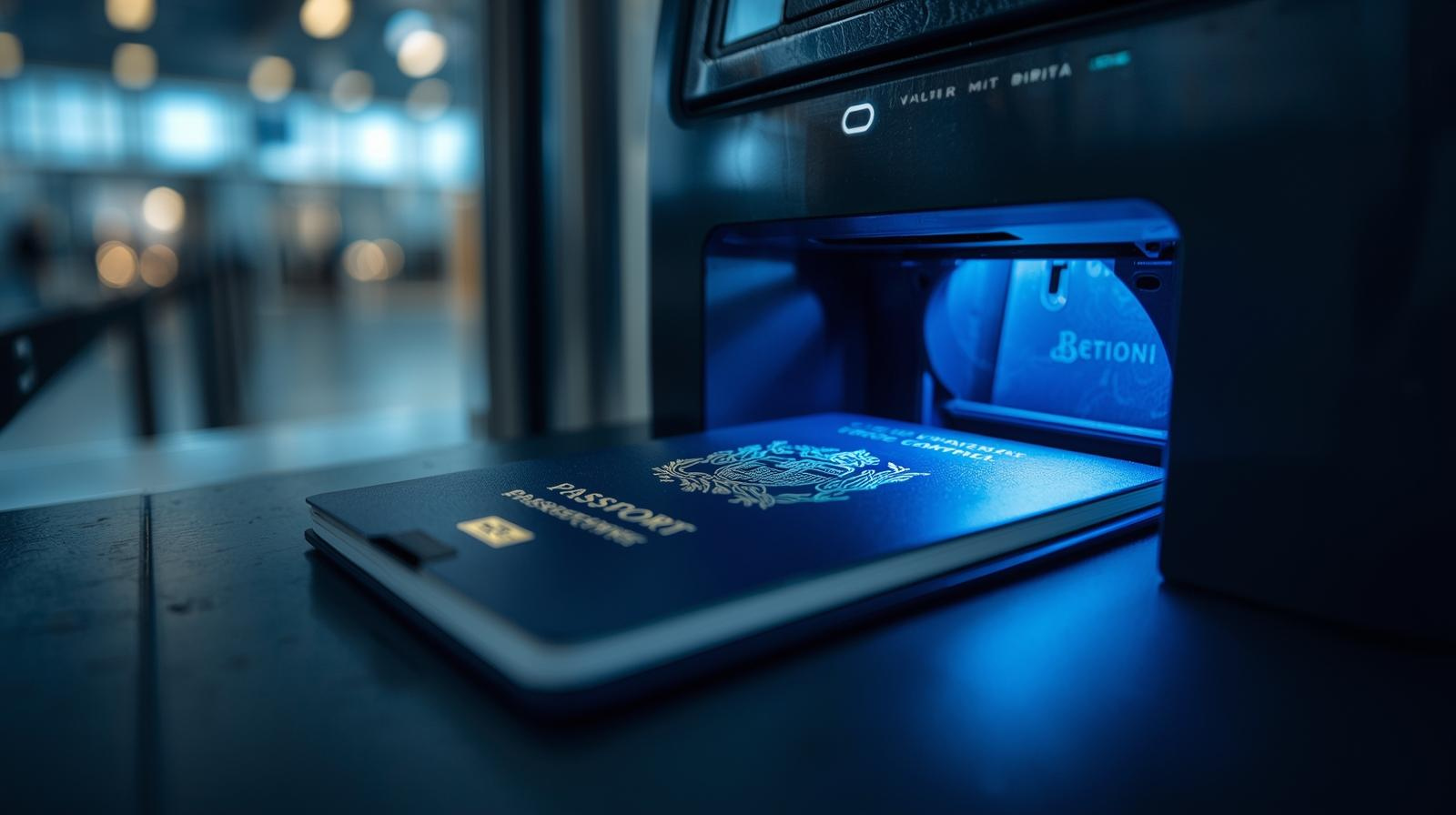
If you are planning a trip to Europe, there is a new acronym worth learning: EES. It stands for Entry/Exit System, and while it might sound like dry bureaucracy, it is about to change how millions of non‑EU travelers cross borders in the Schengen Zone.
Think of EES as a digital gatekeeper that tracks when you enter and leave the Schengen Area, replacing manual passport stamps with a central, biometric database. That simple switch has big implications for how long you can stay, how your movements are recorded, and how tightly the 90/180‑day rule is enforced.
This guide breaks down what EES is, how it works, and what to know before your next European trip.
What Is The Entry/Exit System (EES)
EES is a new electronic border control system created by the European Union to modernize how non‑EU travelers enter and exit the Schengen Area. Instead of relying on ink stamps, it logs your details in a shared digital database whenever you cross an external Schengen border.
The system records your personal information, travel document details, biometric data (such as fingerprints and a facial image), and the exact time and place of each entry and exit. It applies only to non‑EU / non‑Schengen nationals — so if you are visiting from outside the bloc, it includes you.
Why Is EES Being Introduced
Passport stamps are imprecise. They can be missed, forged, or hard to read, which makes it difficult to track who is in the Schengen Area and for how long. EES aims to solve that by:
- Reducing illegal stays: Automatically counting days spent in the Schengen Zone and flagging overstays.
- Speeding up border checks: Using self‑service kiosks and automated gates once your data is on file.
- Improving security: Giving authorities a reliable, shared record of entries and exits across member states.
- Enforcing the 90/180‑day rule: Applying the rule consistently based on precise data rather than manual calculations.
When Does EES Start
The system has faced several delays from its original launch target. Current planning points to an expected go‑live date in October 2025, with full rollout across major air, sea, and land border points soon after.
That gives travelers some lead time to get informed, but once it is active, you can expect to encounter EES whenever you cross an external Schengen border as a non‑EU citizen.
Which Countries Are Part Of EES
EES covers all Schengen Area countries — most EU members plus a few associated states. That includes destinations like France, Germany, Italy, Spain, Portugal, and the Netherlands, as well as non‑EU countries such as Norway, Iceland, Switzerland, and Liechtenstein.
In practice, if you are entering or leaving the common Schengen travel area (by plane, ferry, or land), EES will apply.
What Will Border Control Look Like With EES
Imagine landing in Rome as a non‑EU visitor. Instead of queueing only for a human officer and a passport stamp, you may first go to a self‑service kiosk. You scan your passport, have your face captured, and possibly provide fingerprints if it is your first time in the system.
Your entry is then logged digitally, tying your identity to that specific trip. When you later depart from another Schengen airport — say Madrid — your exit is recorded the same way. EES uses those time stamps to calculate your stay and ensure it fits within the rules.
What Is The 90/180-Day Rule
The 90/180‑day rule is central to how short stays in the Schengen Area work for many visa‑exempt travelers. It allows you to be in the Schengen Zone for up to 90 days within any rolling 180‑day window — across all member countries combined, not per country.
EES will automatically track those days. If you overstay, even slightly, the system will reflect that and may trigger penalties such as fines, entry bans, or issues boarding future flights into the region.
EnRoute Jobs AI tool
Route Planner
Map visa routes, timelines, and relocation costs for your next destination.
How Does EES Affect ETIAS
ETIAS (European Travel Information and Authorization System) is a separate system that will require many visa‑exempt travelers to obtain pre‑authorization before visiting the Schengen Area — similar to the U.S. ESTA model.
ETIAS is about who is allowed to board a plane or ferry toward Schengen in the first place. EES is about tracking when you actually arrive, how long you stay, and when you leave. The two systems are designed to work together and are both expected to be fully active in the mid‑2020s.
What Data Does EES Collect
EES captures more information than a traditional passport stamp, including:
- Full name and travel document details
- Date and place of each entry and exit
- Biometric data such as fingerprints and a facial image
Data is stored for several years, with longer retention for people who overstay, and is shared among Schengen states for border management and security purposes.
EU officials state that EES is designed to comply with data protection rules such as the GDPR framework, with safeguards around how data is used and accessed. Privacy advocates, however, continue to raise questions about biometric storage and data‑breach risks.
What Are The Benefits Of EES
Once the system is fully up and running, travelers may see several advantages:
- Faster processing at automated gates for repeat visitors whose biometrics are already in the system.
- Clearer, more accurate tracking of days spent in Schengen, reducing confusion about the 90/180‑day rule.
- More consistent enforcement of visa and stay limits across different member states.
- Improved security and coordination between countries thanks to shared entry/exit records.
What Are The Downsides
Initial Delays And Long Lines
During rollout, some airports and land crossings may experience slower processing times as equipment comes online, staff adapt, and travelers learn the new flow.
Data Privacy Concerns
Collecting and storing biometric data is sensitive by nature. Even with strong rules on paper, some travelers will feel uneasy about long‑term storage of their fingerprints and facial images.
Stricter Penalties For Mistakes
Because EES automatically calculates your stay, miscounting your days is more likely to be detected. That could mean consequences for overstays that previously might have gone unnoticed.
How Should Travelers Prepare
A few simple steps can make the transition smoother:
- Track your days: Use an official 90/180‑day calculator or an app to avoid overstays.
- Monitor updates: Keep an eye on announcements about the final EES launch date and any country‑specific guidance.
- Arrive early: Especially in the months after launch, build extra time into airport or land‑border arrivals.
- Understand your rights: Knowing the basics of Schengen rules and appeal options will help if you ever face questions at the border.
Key Takeaways On The EES System
EES represents a major shift in how Europe manages its external borders. Instead of paper stamps and manual checks, it relies on biometrics and shared digital records to understand who is entering, how long they are staying, and when they leave.
There will likely be some friction at first, particularly around wait times and data‑privacy debates. But with some planning — and a clear handle on your travel days — EES can become just another background system that quietly makes future Schengen trips more predictable and secure.
Plan Your Europe Trip With Better Data, Not Guesswork
If you are mapping out a Schengen stay — or building a work‑and‑travel life around Europe’s rules — sign up with EnRoute Jobs to explore global work opportunities, and use our Geo Guides to dive into country‑specific entry rules, visa options, and remote‑worker pathways.