.png)
Career Advice
How to Read Remote Job Descriptions Like a Recruiter
Scan remote job descriptions like a recruiter, spot red flags fast, and tailor your applications to roles that actually fit your life and goals.
· January 23, 2026 · 9 min read
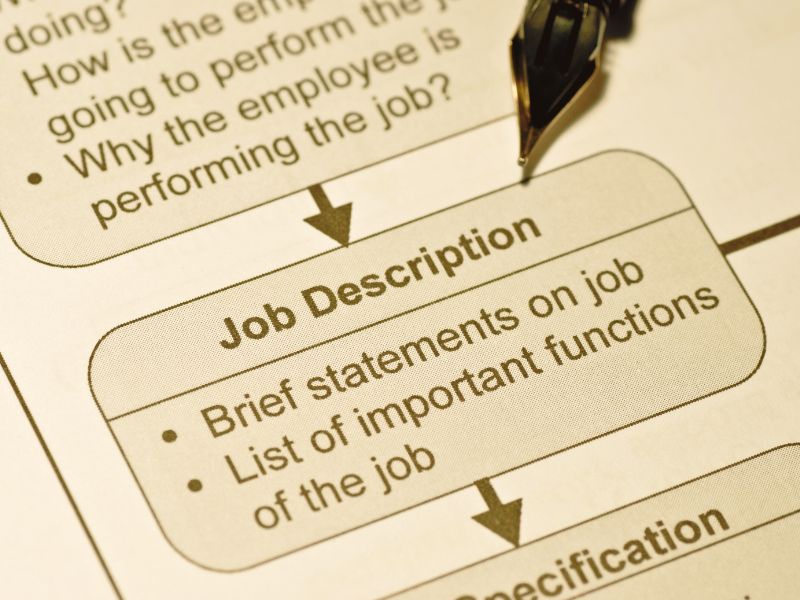
You'd think a remote job description would be the digital world's version of a welcome mat — a friendly "come on in" for modern workers. Instead, many feel like a cryptic treasure map where the "X" marks confusion. One minute you're thrilled about a role that says remote; the next you've discovered it really means two days a week in the office, but good luck guessing which ones.
Recruiters read job descriptions with ruthless clarity and zero emotional attachment. You can do the same. Read on to learn how to skim, scan, and see through remote job listings — so you can decide fast whether a role's worth your time or better left in the recycling bin.
What are remote job descriptions really trying to tell you?
Job descriptions wear a lot of hats, which is ironic, since many warn candidates not to. They're supposed to sell the company, define the role, and filter candidates all at once. The result is often messy compromises between HR protocols, wishful thinking, and a dash of marketing fluff.
Still, there's a structure under all that noise. Once you know how to read it, clearer patterns start to emerge. Most remote job descriptions include:
- Title: The title tells you level and scope, but watch for inflation — "Manager" roles that don't manage anyone are surprisingly common.
- Company blurb: This is pure PR in many cases. Read it for tone, not truth. Then check LinkedIn or Glassdoor for the unedited version.
- Responsibilities: Look for verbs — they reveal whether the job involves strategy, execution, or crisis control.
- Requirements: This typically includes a blend of "must-haves" and "we wish, but hey, can't hurt."
- Benefits: Sometimes, a mix of perks and personality clues. If "we have snacks" is their opener, assume a culture maturity level of a teenage startup.
- Remote policy and location: Here's your dealbreaker zone. "Remote in the U.S." doesn't equal "work from anywhere."
- Compensation: Optional, but revealing in its absence. Transparent pay usually signals modern thinking; silence sometimes hides inequity.
How do recruiters skim job descriptions so fast?
Recruiters read hundreds of remote job descriptions and résumés per week. They can't afford to linger. They rely on what's jokingly called "the five-second scan." In that moment, they know if a role is a fit — and you can learn the same trick to protect your time and energy by using the interactive sample below.
What questions should you ask yourself while reading?
A solid JD shouldn't just convince you to apply; it should help you decide if the company deserves you. Think of it like a dance — are they stepping on your toes or keeping rhythm?
Here's a quick question guide, section by section:
- Title: Does this align with your actual experience level or oversell your skills? (Stretch goals are fine; delusion isn't.)
- Responsibilities: Can you imagine doing this every day? Do the job descriptions list outcomes or just buzzwords?
- Requirements: Which are truly essential and which are flexible?
- Benefits: Are they bragging about "fast-paced environments" or prioritizing wellbeing?
- Remote policy: What does "remote-friendly" really mean — is it fully remote, or just flexible Tuesdays?
- Pay transparency: Are numbers missing for a reason, or has the company simply not caught up?
EnRoute Jobs AI tool
Skills Gap Analyzer
See how your skills match a target role and what to learn next.
What remote job description red flags should I watch for?
Some job descriptions show the best angles, blur the background, and sometimes forget to mention they live in another country entirely.
Here's what to look out for before you hit that apply button:
- The "remote… sort of" line: Words like "must work from HQ occasionally" or "must align with Pacific hours" aren't bad. But if those boundaries are buried in fine print, that's a red flag.
- Buzzword soup: "Self-starter ninja who can wear many hats." Translation: chaos. You'll end up doing the jobs of three people.
- Responsibilities that contradict pay: Entry-level salary, senior-level expectations. Pass.
- Missing salary altogether: Once might mean oversight; systematically missing pay likely means "we'll pay what we can get away with."
- Scammy communication: Hiring via WhatsApp or Telegram; requests for upfront "equipment fees"; job offers after zero interviews; email addresses ending in @gmail.com.
- Culture flags: Phrases like "thick skin," "must thrive under pressure," or "we're a family" may signal poor boundaries or overwork culture. Family is nice in theory — just not when it means unpaid overtime.
How can I tailor my applications using better job reading?
Now that you can read between the job lines, use that insight to strengthen your own applications. The job description isn't just an ad — it's also a cheat sheet for how to talk about your experience.
Step 1: Mirror what matters
Find the three responsibilities or skills the company repeats most. Then pull matching examples from your own experience and highlight them (honestly!) in your résumé and cover letter. Recruiters love seeing alignment; it saves them time.
- If a JD says "Manage cross-team communication," write about that weekly sync you led across departments.
- If it mentions a particular tool, note your proficiency — only if it's real.
- Avoid echoing every keyword robotically; make it sound alive.
Step 2: Use the "rule of three"
Think of your résumé summary or top bullet points as a response to their top three needs. That's it. You'll avoid generic filler and instantly stand out.
Step 3: Know when to stretch
If you meet 70% of the qualifications and the role excites you, apply. Growth happens in the stretch zone, not the comfort zone. But do walk away from listings that violate your non-negotiables — location, salary range, values, or vibe.
Step 4: Learn from patterns
Even rejected or skipped roles teach you something. Maybe you keep noticing "project coordination" duties in the jobs you love. That pattern points the way to your next niche or skill development goal.
How do I choose better roles instead of just more of them?
This is the heart of it. Job hunting often turns into a numbers game where you apply to everything and hope for an interview. But efficiency isn't just about speed — it's about discernment. The point isn't to find more jobs; it's to find fitting ones.
Your focus should be to filter smarter, not harder. The remote job descriptions you read are another chance to practice that recruiter-level mindset: quick, sharp, and intentional.
So the next time you spot a remote job that seems promising, don't rush for the résumé upload button. Give it 60 seconds of honest attention. Ask your questions, scan for the red flags, note the tone. If it looks solid, you've got a confident yes. If it looks suspiciously vague, close that tab with flourish and authority. You're not desperate; you're discerning.
Skip the Chaos and Go Straight to Opportunity
EnRoute Jobs curates remote, seasonal, and visa-friendly roles that already pass the basic clarity test — so you can apply with confidence instead of second-guessing every posting.