.png)
About Thimphu
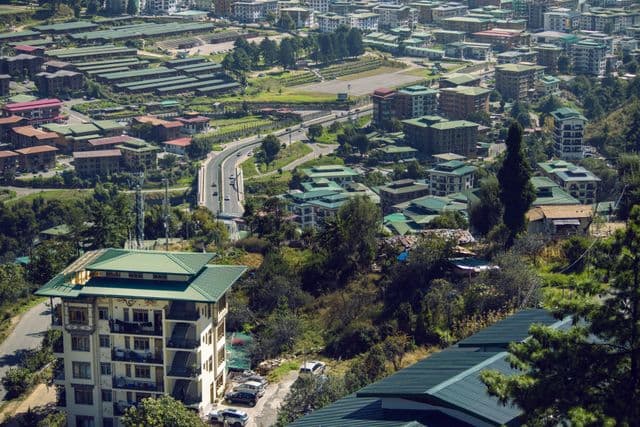
Thimphu is the only capital city in the world without a traffic light, a fact the Bhutanese government has treated as a statement about what kind of modernity the country is choosing. A traffic policeman in a white glove directs intersections where other capitals would have automated the decision. The city has been growing quickly since Bhutan''s 2008 democratic transition and the opening of international tourism (previously managed through strict limits), and the tension between the traditional architectural standards that the state requires for all new buildings and the commercial development those buildings house is visible on every main street.
At 2,334 meters in the Himalayan foothills, Thimphu is cool year-round and spectacular in the October clarity after the monsoon, when the mountains to the north are visible and the valleys below are still green. The dzong (fortified monastery complex) that serves as the seat of the central government and the home of the National Assembly is the most impressive single building, and the Buddha Dordenma statue on the hill above the city, 51 meters tall and gilded, commands the surrounding valley.
For digital nomads, Bhutan''s Sustainable Development Fee (a daily tax applied to tourists) and the limited visa options make it more suited to a focused cultural visit than an extended working base. The fee structure changed significantly in 2022; current requirements should be verified before planning extended stays.
Cost of living
Cost-of-living calculator
See how your budget stretches in Thimphu.
Estimates use approximate exchange rates and typical monthly costs. Your actual costs will vary.
- Coffee
- $2
- Cheap meal
- $4
- Coworking (day)
- —
- Mid-range meal for 2
- $20
- Rent (1BR, center)
- $300
- Transit (monthly)
- —
- Internet (monthly)
- $15
- Rent (1BR, outside)
- $200
EnRoute Jobs AI tool
Real Value Calculator
See what a salary actually leaves you in the country you want to live in.
Neighborhoods
Norzin Lam
Daily life, dining
Central commercial strip with handicraft shops and famous traffic-policeman roundabout.
Chang Lam Upper Thimphu
Government workers, diplomats
Government and diplomatic quarter on higher ground.
Babesa
Families, budget-conscious
Growing southern fringe with newer apartments and affordable housing.
Getting around
- overview
- Most sights walkable from centre. Taxis inexpensive. Guides mandatory for tourists visiting most sites.
Culture
Bhutan measures its progress in Gross National Happiness rather than GDP, a framework that the government takes seriously as policy guidance rather than marketing copy. The four pillars (sustainable development, cultural preservation, environmental protection, and good governance) translate into actual policy decisions: the country has remained carbon negative, plastic bags have been banned since 1999, and tobacco sales are restricted in ways that would be impractical in most other countries.
The Tsechu festivals, when monastic communities perform religious dances in the courtyards of dzongs throughout the country over several days, are the most accessible expression of the Tantric Buddhist culture that permeates Bhutanese daily life. The prayers flags on hilltops and the mani walls of carved stones along mountain paths are not tourist installations. They are functional expressions of a belief system that treats the physical environment as inseparable from the spiritual one.
Climate & best time to visit
Subtropical highland (2,334m): cool to cold winters (December–February: −3 to 9°C with snow) and warm, pleasant summers (June–August: 15–25°C). The monsoon (June–September) brings heavy rain. October is often considered the best month: post-monsoon clarity with Himalayan views.
Best months: October, November, March, April
Tips & safety
- •Most sights walkable from centre. Taxis inexpensive. Guides mandatory for most sites.
- •Affordable. All visits require Sustainable Development Fee USD 100/day covering accommodation, meals, and guide.
- •Bhutan has one of the lowest crime rates in the world; personal safety is not a genuine concern.
- •Altitude is around 2,300 meters above sea level; allow 1 to 2 days to acclimatize before physical exertion.
- •Foreign visitors require a tourist visa and must use a licensed tour operator for most organized activities.
- •Medical facilities are limited to basic care at JDWNRH hospital; medical evacuation insurance is strongly advisable.
Areas to avoid: Thimphu is extremely safe — there are no areas to avoid., The Chang Lam area on weekends has more foot traffic near a few nightclubs; no real risk involved.